
Alexander Schmorell — Russia (1917–1943)
Audio Story: Righteousness, Wisdom and Reflection
A Faith That Refused to Be Silent: The Story Behind a Saint, a Man of Faith, and a Voice of Conscience in Nazi Germany
Introduction
When Americans think about resistance to Nazi Germany, they usually picture soldiers, spies, or political leaders. Few have heard of Alexander Schmorell, a 25-year-old medical student who never carried a weapon, never led an army, and never held public office. Yet his story remains one of the most remarkable examples of Moral Courage, Faithfulness, and Righteousness to emerge from the Second World War.
Born in Russia and raised in Germany, Schmorell became one of the founders of the White Rose, a small Christian resistance movement that challenged Hitler’s regime through leaflets, conversations, and appeals to Conscience. At a time when millions chose silence, he chose to speak. For that decision, he was arrested, condemned, and executed in 1943.
Nearly seventy years later, the Russian Orthodox Church Outside Russia canonized him as a Martyr. Today, Alexander Schmorell remains the only member of the White Rose officially recognized as a saint. Unlike many political dissidents, Schmorell’s resistance was rooted explicitly in his Christian Faith, which later became a central reason for his Canonization.
Beyond his role as a member of the White Rose, Alexander Schmorell provides an important example of both The Cost of Righteousness and Righteousness Innovation. His life demonstrates how moral conviction can inspire creative forms of resistance even under extreme oppression.
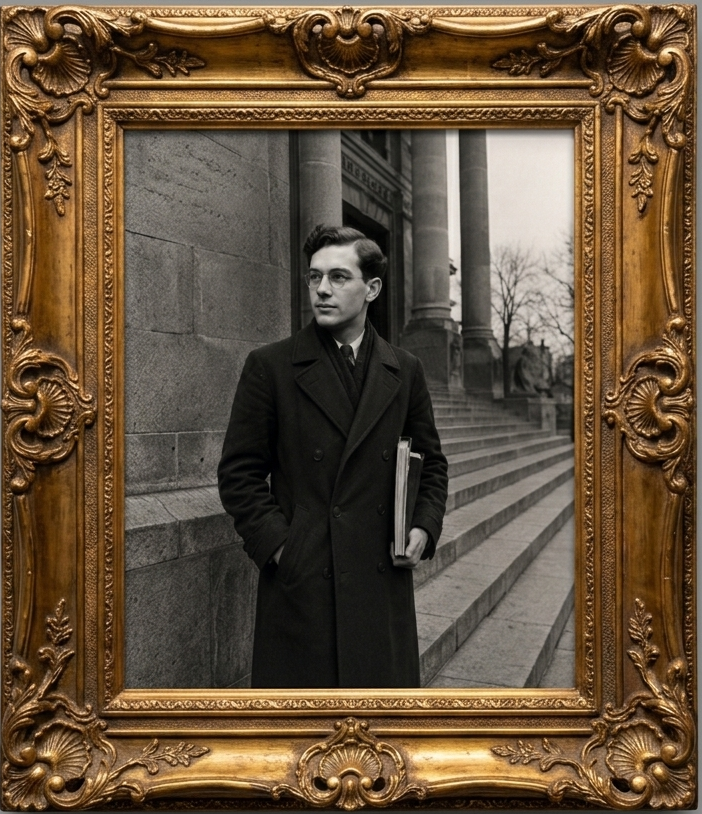
Figure 1. Alexander Schmorell During His University Years in MunichAlexander
Schmorell as a young medical student whose Orthodox Christian faith and moral convictions would later shape his resistance to Nazi tyranny.
A Life Between Two Worlds
Alexander Schmorell was born in Orenburg, Russia, in 1917, just weeks before the Russian Revolution. Like millions of others, his family experienced firsthand the upheaval that followed and eventually relocated to Germany in hopes of rebuilding their lives.
This unusual background gave Schmorell a perspective few of his peers possessed. He grew up speaking Russian at home while becoming part of German society. He loved Russian culture but also considered Germany his homeland. Most importantly, he was raised in the Orthodox Christian Faith, which would shape every major decision he made throughout his life.
As Germany moved deeper into National Socialism during the 1930s, many citizens adapted to the new reality. Schmorell did not. Friends later recalled that he was disturbed by the growing cult of power, racial ideology, and blind obedience demanded by the regime. While studying medicine, he increasingly viewed these developments not simply as political problems but as moral ones.
Looking back, Schmorell’s early life helped prepare him for what would later become a remarkable example of Righteousness Innovation. His ability to draw upon multiple cultural traditions, Christian teachings, and independent moral reasoning allowed him to challenge ideas that many others simply accepted. Rather than conforming to popular opinion, he developed the habit of evaluating issues according to Truth, Conscience, and moral responsibility.
The White Rose
The turning point came during his service on the Eastern Front in 1942. Working as a medical assistant, Schmorell witnessed the devastating human consequences of war and ideology. The experience convinced him that remaining silent was no longer an option.
Together with fellow students Hans and Sophie Scholl, Professor Kurt Huber, and several friends, he helped establish the White Rose. Unlike many resistance movements, the group rejected violence. Its members believed that Germany’s crisis was fundamentally moral and spiritual. Their response was to appeal directly to the Conscience of ordinary citizens.
The White Rose printed and distributed leaflets condemning Nazi crimes and urging Germans to resist lies, injustice, and moral indifference. Their message drew heavily from Christian thought, classical philosophy, and the belief that every person has a responsibility to stand for Truth.
This approach represented a significant example of Righteousness Innovation. While many resistance efforts focused on military action or political conspiracy, the White Rose pursued a different strategy. Their primary tools were ideas, education, ethical reasoning, and appeals to conscience. By distributing leaflets and encouraging independent thought, they created a nonviolent method of resistance designed to awaken moral responsibility among ordinary citizens.
This was an extraordinarily dangerous undertaking. Simply possessing such material could result in imprisonment or death.
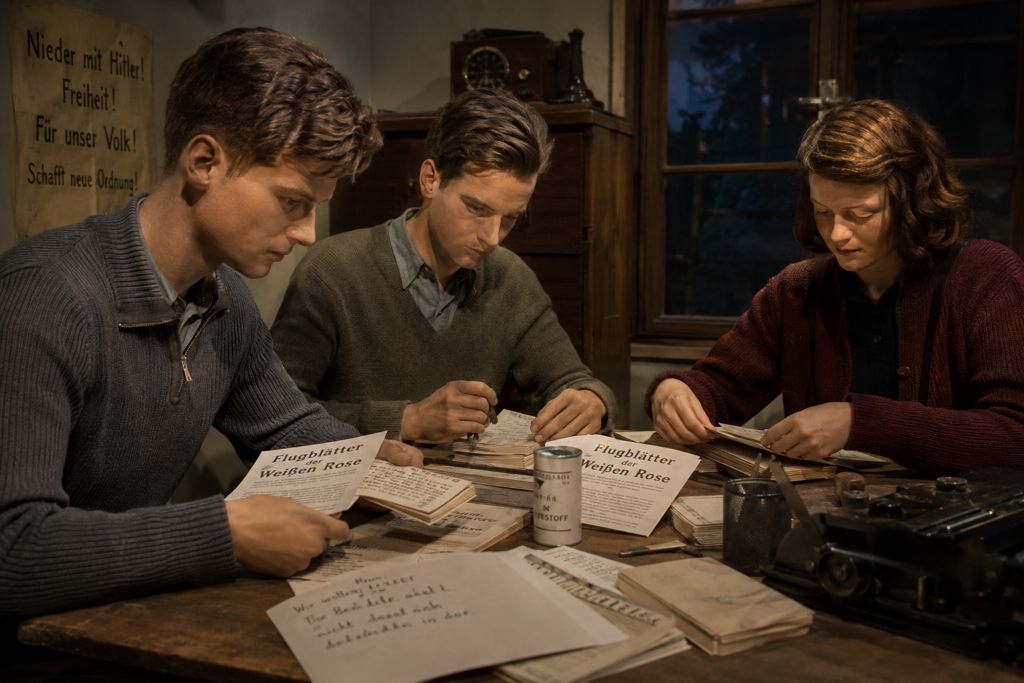
Figure 2. Members of the White Rose Preparing Resistance Leaflets
Members of the White Rose are depicted in a wax sculpture, secretly producing anti-Nazi leaflets that challenged citizens to think independently and resist injustice.
Faith Under Pressure
One of the most remarkable aspects of Schmorell’s story is that he was not driven by political ambition. He never sought influence or recognition. He wanted to become a physician and live a productive life. In many ways, he had every reason to stay quiet.
Instead, he chose to follow his Conscience.
Members of the White Rose came from different Christian traditions, including Orthodox, Catholic, and Lutheran backgrounds. What united them was a conviction that obedience to God must come before obedience to any political system. They believed that silence in the face of obvious evil was itself a moral failure.
Their resistance was small, but it carried enormous risk.
Every act of Righteousness carries a cost. For Schmorell and his fellow members of the White Rose, the cost included constant surveillance, the possibility of arrest, the loss of educational and professional opportunities, imprisonment, and eventually death. Yet they believed that remaining silent in the face of evil would have carried an even greater moral cost.
In 1943, the group was exposed. Arrests followed quickly. Hans and Sophie Scholl were executed. Schmorell briefly avoided capture but was eventually recognized in an air-raid shelter and arrested.
His trial before the notorious People’s Court was little more than a formality. The outcome had already been decided.
He was sentenced to death.
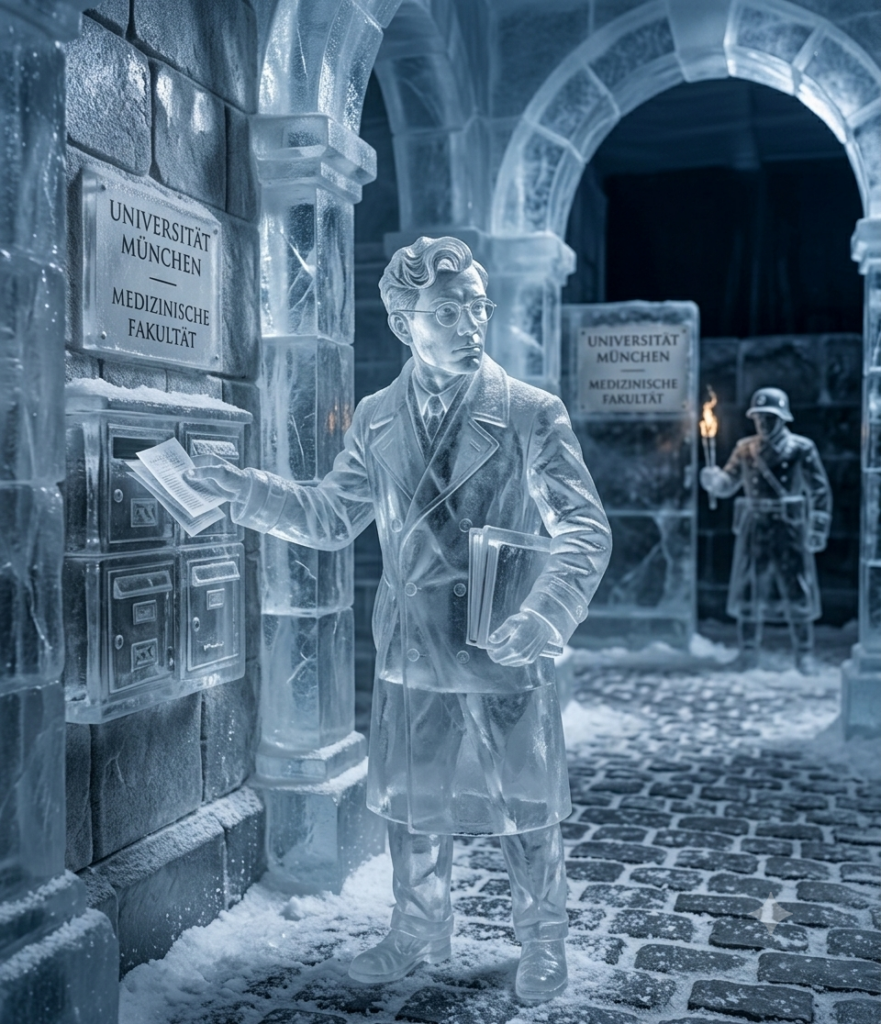
Figure 3. Distribution of White Rose Leaflets in Munich
Members of the White Rose risked arrest and execution by distributing leaflets calling for truth, conscience, and resistance to injustice in a ice sculpture.
A Witness to the End
What happened during Alexander Schmorell’s final months explains why he is remembered not only as a resistance hero, but as a saint.
After his arrest in 1943, Schmorell knew exactly what awaited him. The People’s Court rarely showed mercy, and those accused of resisting the Nazi regime were almost always condemned. Yet those who encountered him during his imprisonment were struck not by fear or bitterness, but by an unusual sense of peace.
While awaiting execution, he was permitted visits from an Orthodox priest. He continued to pray, receive Holy Communion, and prepare himself spiritually for death. Rather than focusing on his own suffering, he spent his remaining weeks encouraging family and friends through letters filled with faith, hope, and concern for their well-being.
The most remarkable of these letters was written on July 13, 1943—the day he was to be executed.
The Cost of Righteousness: The Hardship Alexander Schmorell Endured Due to His Moral Convictions
Alexander Schmorell, a founding member of the White Rose resistance group, demonstrated extraordinary moral courage in opposing the Nazi regime during World War II. As a medical student in Munich, he was not only academically engaged but also deeply troubled by the injustice, violence, and moral collapse he witnessed around him. Motivated by his Christian faith and sense of human dignity, Schmorell chose to participate in the secret production and distribution of anti-Nazi leaflets.
This decision came at a profound personal cost. He had to live under constant fear of detection by the Gestapo, knowing that even a minor mistake could lead to imprisonment or execution. His resistance work forced him into secrecy, separating him from normal student life and placing emotional strain on his relationships and daily existence. Despite these dangers, he continued to contribute to the intellectual and logistical efforts of the White Rose.
Eventually, Schmorell was arrested in 1943, convicted of high treason, and executed by guillotine. His fate illustrates the ultimate price he paid for his convictions, transforming him into a symbol of moral resistance against tyranny.
Table 1. The Cost of Righteousness in his Resistance
| Category of Cost | Description | Outcome |
|---|---|---|
| Physical Risk | Constant threat of Gestapo surveillance and arrest | Eventually arrested in 1943 |
| Legal Consequence | Charged with high treason for anti-regime leaflet activity | Sentenced to death |
| Psychological Pressure | Fear, stress, and secrecy while resisting Nazi authority | Persistent emotional strain |
| Social Isolation | Separation from normal academic and social life | Limited normal student interaction |
| Ultimate Sacrifice | Participation in resistance against a totalitarian state | Executed by guillotine in 1943 |
Righteousness Scorecard
The following Table 2 and Figure 4 illustrate Alexander Schmorell’s scores across three key dimensions of righteousness. As a founding member of the White Rose resistance, Schmorell demonstrated exceptional moral courage by actively opposing the Nazi regime through the production and distribution of anti-Nazi leaflets, despite knowing the severe consequences of discovery. His societal impact is reflected in the enduring legacy of the White Rose movement, which continues to symbolize intellectual resistance, conscience-driven action, and nonviolent opposition to tyranny. In terms of innovation, Schmorell contributed to the development of underground resistance communication strategies, including covert leaflet circulation and coordinated messaging that encouraged critical thinking among German citizens.
Table 2. Righteousness Scorecard for Alexander Schmorell
| Factor | Score (0–10) | Rationale |
|---|---|---|
| Moral Courage | 10 | Actively resisted the Nazi regime despite extreme personal risk, fully aware of possible arrest and execution. |
| Societal Impact | 9 | Contributed to the White Rose movement, which became a lasting symbol of moral resistance and inspired future generations. |
| Innovation / Uniqueness | 8 | Helped develop clandestine leaflet distribution and resistance messaging under a totalitarian surveillance state. |
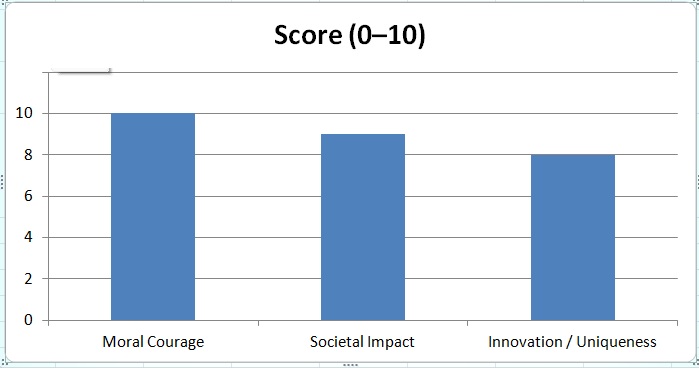
Figure 4. Performance Scorecard Data Visualization
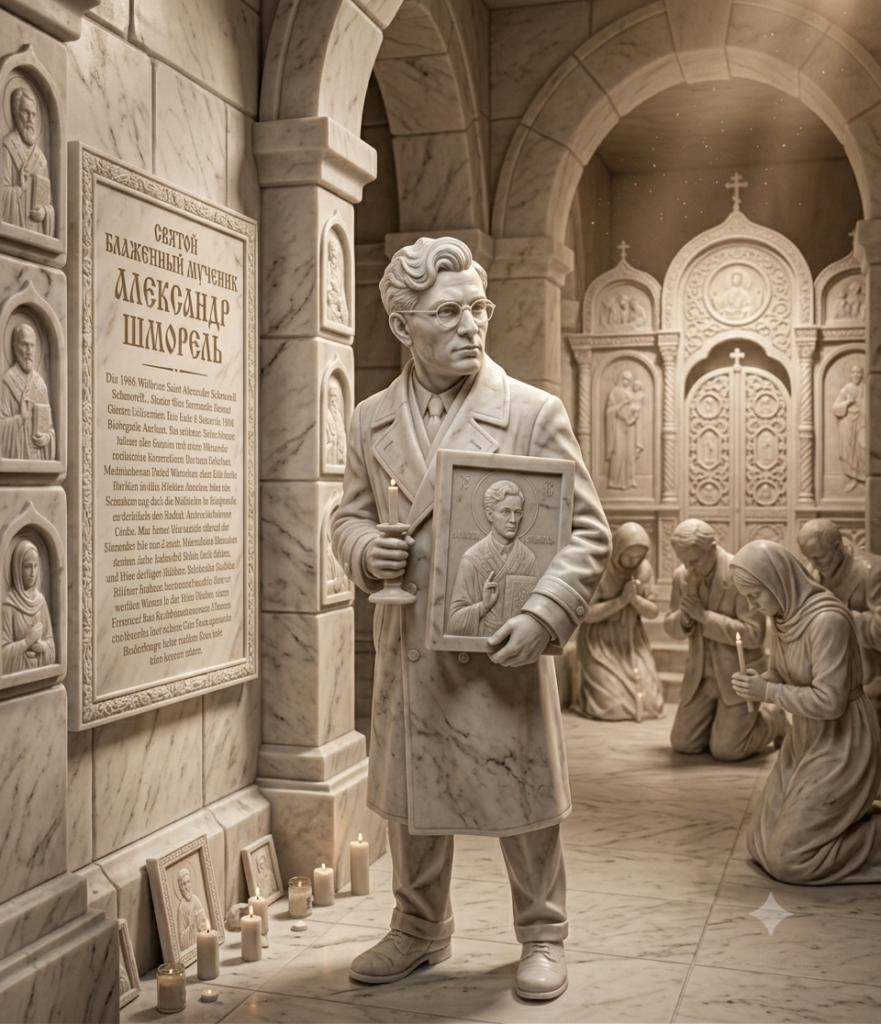
Figure 6. Canonization of Saint Alexander of Munich
Nearly seventy years after his execution, Alexander Schmorell was canonized by the Russian Orthodox Church Outside Russia, recognizing both his faith and witness in marble sculpture.
A Legacy Across Generations
The influence of the White Rose did not end with its destruction. Instead, it grew stronger after the war as societies reflected on the meaning of conscience, responsibility, and moral courage under dictatorship.
Today, Alexander Schmorell, Hans Scholl, Sophie Scholl, and other members of the White Rose are widely studied in schools, universities, and museums as symbols of ethical resistance.
Their story continues to raise essential questions:
- What does it mean to remain silent in the face of injustice?
- When does obedience become morally unacceptable?
- What responsibility does an individual have toward Truth?
Schmorell’s life offers a clear answer: Conscience must remain above fear.
Reflection
Alexander Schmorell’s story continues to resonate because it speaks to a challenge that extends far beyond Nazi Germany. Every generation faces moments when comfort conflicts with conviction and when silence appears safer than honesty.
Most people will never confront circumstances as extreme as those faced by the White Rose. Yet the underlying question remains the same: What responsibilities do individuals have when they recognize wrongdoing around them?
Schmorell answered that question with his life. He believed that truth mattered, that conscience mattered, and that faith demanded more than private belief. More than eighty years after his death, his example remains a reminder that genuine courage is often measured not by power or success, but by faithfulness to what is right.
Schmorell’s story is not ultimately about Nazi Germany. It is about the enduring question of what happens when conscience collides with convenience. Most of us will never face the choices he faced. Yet all of us face moments when doing what is right carries a personal cost. That is why his story still matters.
Conclusion
The story of Alexander Schmorell and the White Rose stands as a central exhibit in the Righteousness Museum because it represents both: The Act of Righteousness and Righteousness Innovation.
Together, these themes show that moral progress is often carried forward not by institutions or armies, but by individuals who choose Truth over comfort and Conscience over conformity.
Schmorell’s life reminds us that even in the darkest historical moments, ethical innovation is possible, and that a single voice, guided by Faith and Integrity, can echo far beyond its time.
References
- Khramov, I. (n.d.). Alexander Hugo Schmorell. Encyclopedia “Germans of Russia.”
- The White Rose: Student resistance to the Hitler regime, Munich 1942–1943. (1999). Orenburg.
- Fürst-Ramdohr, L. (1995). Freundschaften in der Weißen Rose. Munich: [Publisher not specified].
- Schmorell, H. (Ed.). (n.d.). Alexander Schmorell: Letters and writings from prison.
- Alexander Schmorell: Saint of the White Rose. (n.d.). Tsarkva.
- Saint Alexander Schmorell: “No country can replace Russia for me.” (n.d.). Tatyanin Den.
- Orenburg Diocese Commission for the Canonization of Saints. (n.d.). Martyr Alexander of Munich.
- Russian Orthodox Cathedral in Munich. (2012). Service to the Holy New Martyr Alexander of Munich.
- Pravoslavie.ru. (2012, February 6). Anti-fascist resistance activist Alexander Schmorell glorified among the locally venerated saints of the Berlin-German diocese of ROCOR. https://pravoslavie.ru
- Russian Orthodox Cathedral in Munich. (n.d.). The life and witness of the new martyr Alexander of Munich (Schmorell).
- United States Holocaust Memorial Museum. (n.d.). The White Rose resistance movement. https://www.ushmm.org
- Encyclopaedia Britannica. (n.d.). White Rose. https://www.britannica.com
- German Resistance Memorial Center. (n.d.). Alexander Schmorell and the White Rose. https://www.gdw-berlin.de

Museum Test Prep App for Alexander Schmorell
Alexander’s Brave Adventure Game
The Righteousness Simulator: Schmorell’s Choice
Self‑Reflection with Schmorell (Moral Compass Meter)