
Learn to Reflect by Making Decisions, Examining Consequences, and Reconsidering Your Thinking
Historical learning becomes more meaningful when you do more than read what happened. Decision Simulation invites you to enter a situation, examine the information available at the time, consider realistic alternatives, make a decision, examine possible consequences, and reflect on the reasoning behind your choice.
The goal is not simply to discover whether your answer matches the historical outcome. The goal is to understand how decisions are made under uncertainty, pressure, competing responsibilities, limited information, and ethical challenges.
Decision Simulation can help develop critical thinking, ethical reasoning, perspective-taking, problem solving, reflective judgment, and responsible decision-making.
What Is Decision Simulation?
Decision Simulation is a structured learning method that places the learner in a realistic decision-making situation and asks the learner to evaluate alternatives, make a choice, examine consequences, and reconsider the decision when meaningful new information becomes available.
Instead of asking only:
“What did this person do?”
Decision Simulation asks:
“What would you do—and why?”
This distinction is important.
A historical outcome is already known to us. However, the person making a decision at the time often did not know exactly what would happen next.
Therefore, Decision Simulation encourages you to evaluate a decision based on the information, circumstances, responsibilities, risks, and values available at the time, rather than judging the decision only by its eventual outcome.
Why Use Decision Simulation?
Decision Simulation transforms a visitor from a passive reader into an active learner.
Instead of simply receiving an interpretation, you are asked to:
- understand a situation;
- identify the actual decision;
- recognize competing choices;
- examine evidence;
- consider different stakeholders;
- evaluate risks and consequences;
- identify the values involved;
- make and defend a decision;
- reconsider your decision when circumstances change; and
- connect the experience to your own life.
The method therefore combines historical learning, critical thinking, ethical reasoning, and reflection.
The Six-Step Decision Simulation Process
Figure 1. The Six-Step Decision Simulation Process
ENTER → IDENTIFY → EXPLORE → DECIDE → CONSEQUENCES → REFLECT → RECONSIDER
The process can operate as a cycle rather than a straight line. New evidence may cause you to reconsider an earlier decision and repeat part of the process.
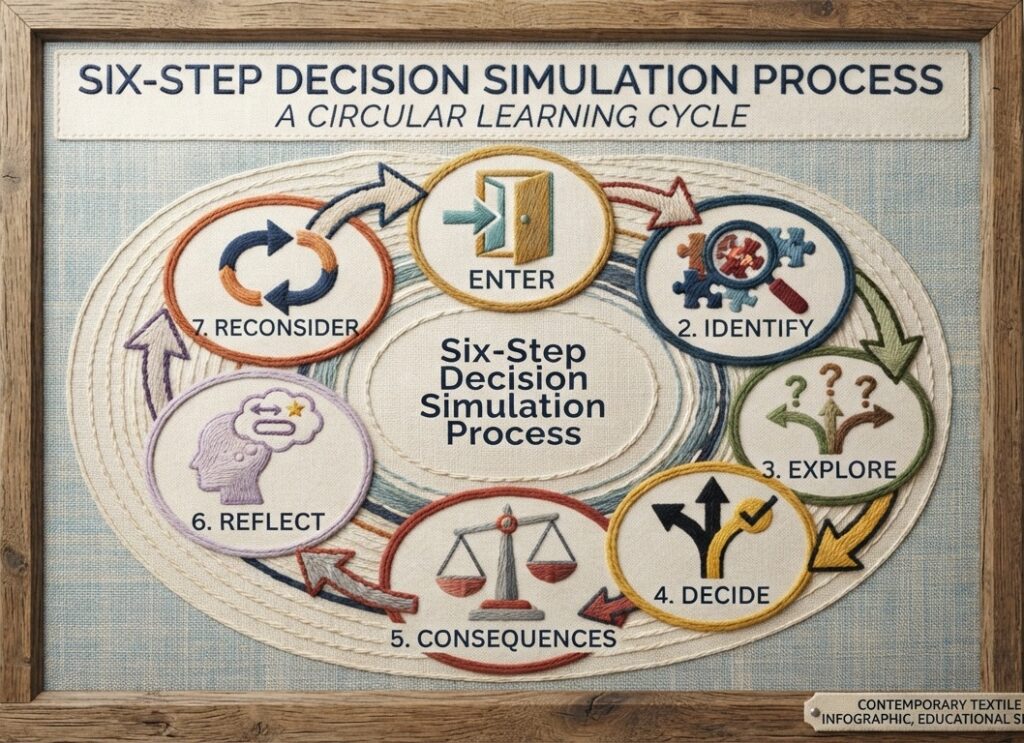
Figure 1. Six-Step Decision Simulation Process
Step 1 — ENTER: Understand the Situation
Before making a decision, enter the situation.
Ask:
- What happened?
- Who is involved?
- What is the problem?
- What information is available?
- What information is missing?
- What constraints exist?
- What pressures are present?
- What responsibilities does the decision-maker have?
Do not rush to judgment.
A strong decision begins with a strong understanding of the situation.
Learning Challenge
Separate what you know from what you assume.
Create two mental columns:
KNOWN
What is supported by the available evidence?
UNKNOWN
What are you assuming, predicting, or still trying to determine?
This distinction can prevent premature decisions.
Step 2 — IDENTIFY: Define the Decision
A complicated situation may contain many problems, but the decision-maker usually faces one or more specific choices.
Ask:
“What decision must actually be made?”
For example:
- Should I report the problem?
- Should I remain silent?
- Should I gather more information?
- Should I ask someone for help?
- Should I continue despite the risk?
- Should I change my strategy?
A vague problem produces a vague decision.
Try to express the decision as a clear question:
“Should I ________, given that ________?”
This forces you to identify the actual decision rather than reacting emotionally to the entire situation.
Step 3 — EXPLORE: Compare the Options
Do not assume that there are only two choices.
Try to identify several realistic alternatives.
Consider:
- What could I do?
- What could I refuse to do?
- Could I delay the decision?
- Could I gather more evidence?
- Could I ask another person for advice?
- Could I find a different solution?
Use the following framework to compare your options.
Table 1. Decision Simulation Option Analysis Framework
| Option | Possible Benefits | Potential Risks | Affected Stakeholders | Values / Responsibilities | Short-Term Consequences | Long-Term Consequences |
|---|---|---|---|---|---|---|
| Option A | What might improve? | What could go wrong? | Who is affected? | What principles are involved? | What happens immediately? | What might happen later? |
| Option B | What might improve? | What could go wrong? | Who is affected? | What principles are involved? | What happens immediately? | What might happen later? |
| Option C | What might improve? | What could go wrong? | Who is affected? | What principles are involved? | What happens immediately? | What might happen later? |
The purpose of this table is not to calculate a mathematically perfect answer.
It is to make your reasoning visible.
Step 4 — DECIDE: Make Your Choice
Now make the decision.
What would you do?
Choose the option you believe is most responsible under the circumstances.
Then explain your reasoning.
Ask yourself:
Evidence
What evidence influenced me?
Values
What value influenced me most?
Responsibility
What responsibility do I have?
Risk
What risk am I willing to accept?
Others
How might my decision affect other people?
Confidence
How confident am I in my decision?
A decision becomes more meaningful when you can explain and defend the reasoning behind it.
Step 5 — CONSEQUENCES: Look Beyond the Decision
A decision can affect many people in different ways.
Consider four types of consequences.
Immediate Consequences
What happens next?
Long-Term Consequences
What might happen later?
Intended Consequences
What did you hope to accomplish?
Unintended Consequences
What might happen that you did not anticipate?
Also consider different stakeholders.
A decision that appears beneficial from one person’s perspective may look very different from another person’s perspective.
Ask:
Who benefits?
Who may be harmed?
Who has responsibilities?
Who has the least power?
Who might experience consequences that the decision-maker did not anticipate?
This helps you move beyond simple right-versus-wrong thinking.
Step 6 — REFLECT: Examine Your Thinking
After making the decision, step back.
Do not immediately ask whether your answer was “correct.”
First ask:
“Why did I make this decision?”
Consider:
- What assumptions influenced me?
- What evidence mattered most?
- What value mattered most?
- Did I focus more on benefits or risks?
- Did I consider other people’s perspectives?
- Did I underestimate any consequences?
- Did emotion influence my decision?
- Did pressure influence my decision?
- Did I seek enough information?
Reflection transforms the simulation from an activity into a learning experience.
Step 7 — RECONSIDER: What If the Conditions Change?
Real decisions rarely occur with perfect information.
A powerful Decision Simulation introduces new information after the initial decision.
The Changing-Conditions Challenge
Imagine that you have already made your decision.
Then you receive new information:
New Information #1:
You discover that your decision may affect more people than you originally expected.
Question
Would you change your decision? Why or why not?
Now consider:
New Information #2:
You discover that taking the recommended action could create serious personal consequences for you.
Question
Would you change your decision again?
Now consider:
New Information #3:
You discover evidence that challenges an assumption you made when choosing your original option.
Question
What would you do now?
This teaches an important principle:
Good decision-making includes the willingness to reconsider when meaningful new evidence becomes available.
Changing your decision does not necessarily mean your first decision was foolish.
It may mean that your information changed.
Avoid Hindsight Bias
Historical decision-making requires special care because we know what happened afterward.
A person living in the past did not necessarily know:
- what would happen next;
- how other people would respond;
- which risks would become important;
- which information would later become available;
- whether a particular action would succeed.
Therefore, ask:
“What did the decision-maker know at the time?”
before asking:
“Was the decision successful?”
This helps prevent hindsight bias—the tendency to view past events as more predictable after we already know the outcome.
A thoughtful decision can produce an unexpected outcome.
Likewise, a favorable outcome does not automatically prove that the original reasoning was sound.
When evaluating a historical decision, examine:
Information available → Reasoning → Values → Risks → Decision → Outcome
rather than judging the decision only from the outcome.
From Historical Situation to Personal Action
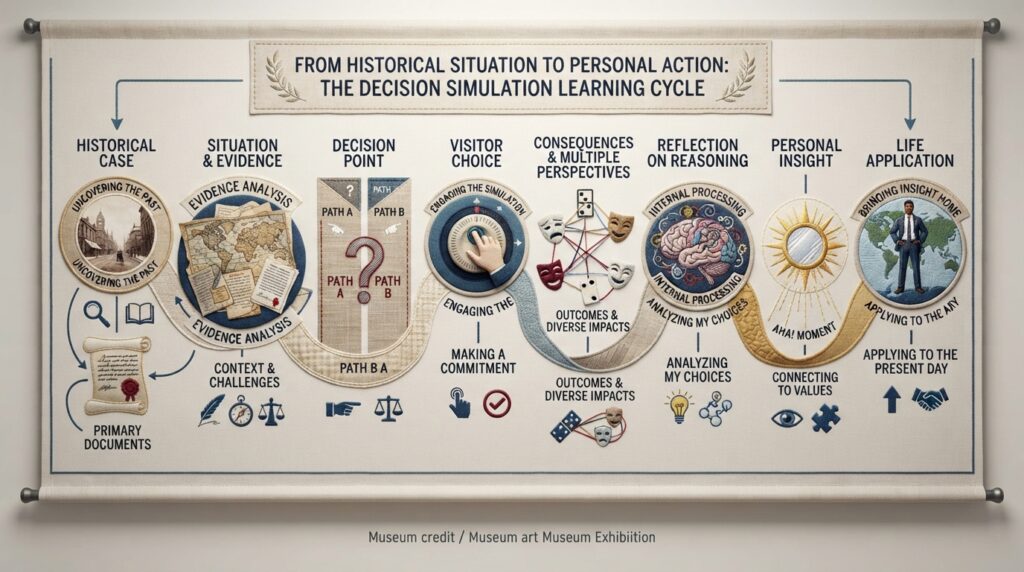
Figure 2. From Historical Situation to Personal Action: The Decision Simulation Learning Cycle
Historical Case → Situation & Evidence → Decision Point → Visitor’s Choice → Consequences & Perspectives → Reflection on Reasoning → Personal Insight → Life Application
Decision Simulation Is Not Just a Quiz
A conventional quiz often asks:
“What is the correct answer?”
Decision Simulation asks:
“What would you do?”
And then goes further:
“Why?”
“Who would be affected?”
“What consequences might follow?”
“What values influenced your decision?”
“What new evidence could change your mind?”
This makes Decision Simulation a reflection methodology, rather than simply a test of historical knowledge.
There may be more than one defensible response.
The educational value comes from examining the quality of your reasoning.
Can You Defend Your Decision?
A decision is not complete until you can explain it.
Imagine that another visitor strongly disagrees with you.
You have 60 seconds to defend your decision.
Complete this statement:
“I chose this option because…”
Your strongest reason might involve:
- Evidence
- Consequences
- Fairness
- Responsibility
- Protection of others
- Personal risk
- Long-term impact
- Another principle
Then ask:
“What is the strongest argument against my decision?”
This additional step develops intellectual humility.
A strong thinker should be able to defend a position while still considering the possibility that another perspective contains valuable insight.
Decision Quality and Ethical Reasoning
Decision Simulation does not mean that every decision is equally good.
Visitors should examine decisions using several dimensions:
Evidence
What do we know?
Consequences
What could happen?
Stakeholders
Who is affected?
Values
What principles are involved?
Responsibility
What obligations exist?
Courage
What risks may need to be accepted?
Long-Term Impact
What happens beyond the immediate situation?
These dimensions can help visitors move from:
“I like this answer.”
to:
“I can explain why this decision is responsible based on evidence, consequences, responsibilities, and values.”
Apply Decision Simulation to Museum Exhibits
Decision Simulation becomes most powerful when visitors use the method with actual historical cases.
Irena Sendler
In the Diligence & Perseverance in Pursuing Righteousness Hall, visitors can consider situations involving extraordinary risk, responsibility, cooperation, planning, persistence, and assistance to vulnerable people.
Ask:
What would you do if helping others required extraordinary persistence and personal risk?
Then consider:
- What information would you need?
- What risks would you face?
- Who would depend on your decision?
- What alternatives might exist?
- How would perseverance influence your decision?
- What responsibilities would you have toward others?
The purpose is not to pretend that a modern visitor can perfectly recreate the historical circumstances.
The purpose is to use the historical situation as a structured opportunity to examine decision-making, character, responsibility, and moral action.
→ Continue to the Irena Sendler Exhibit
Volkswagen
In the Volkswagen Business Reflection Hall, visitors can consider a situation in which organizational pressure conflicts with responsibility to customers, regulators, employees, or the public.
Ask:
What would you do if you discovered a serious ethical problem within an organization?
Then consider:
- What evidence would you need?
- Who should be informed?
- What risks might you face?
- What responsibilities do you have?
- What alternatives are available?
- Would your decision change if reporting the problem could affect your career?
This application demonstrates how Decision Simulation can be used for business ethics, organizational responsibility, leadership, and professional decision-making.
→ Continue to the Volkswagen Exhibit
What You Learn Through Decision Simulation
By completing Decision Simulation activities, you practice:
Critical Thinking
Examining evidence, assumptions, alternatives, and reasoning.
Ethical Reasoning
Considering responsibilities, values, competing interests, and consequences.
Perspective-Taking
Recognizing that different stakeholders may experience the same decision differently.
Problem Solving
Generating and comparing realistic alternatives.
Reflective Thinking
Examining how and why you reached a conclusion.
Adaptability
Reconsidering your decision when new information becomes available.
Responsible Decision-Making
Considering how your choices affect other people and the wider community.
Try the Method Yourself
Think about a difficult decision you have encountered in school, work, family, community life, or another setting.
Complete the sequence:
ENTER
What was happening?
IDENTIFY
What decision had to be made?
EXPLORE
What choices were available?
DECIDE
What did you choose?
CONSEQUENCES
Who was affected?
REFLECT
Why did you make that choice?
RECONSIDER
What new information might change your decision?
Finally ask:
“If I faced the same situation again, would I make the same decision?”
If your answer is different, explain:
“What did I learn that changed my thinking?”
Your Decision-Simulation Formula
UNDERSTAND → EXPLORE → DECIDE → EXAMINE → REFLECT → RECONSIDER
The purpose of Decision Simulation is not to produce one perfect answer.
It is to help you become better at:
thinking before deciding,
examining evidence,
considering other people,
recognizing consequences,
explaining your reasoning,
reconsidering when new evidence appears,
and learning from experience.
Reflection Methods Hall
Decision Simulation is the first of three core reflection methods in the Reflection Methods Hall.
🎯 Decision Simulation
What would I do?
🧠 Critical Reflection
Why do I think this way?
🚀 Life Application
How can I use what I learned?
Together, these methods create a progression:
DECIDE → THINK → APPLY
A museum visit does not have to end when you finish reading an exhibit.
It can continue through your decisions, your reflection, and your actions.
→ Explore the Critical Reflection Method
→ Explore the Life Application Method
References
Brookfield, S. D. (2017). Becoming a critically reflective teacher (2nd ed.). Jossey-Bass.
Kahneman, D. (2011). Thinking, fast and slow. Farrar, Straus and Giroux.
Kolb, D. A. (1984). Experiential learning: Experience as the source of learning and development. Prentice Hall.
Schön, D. A. (1983). The reflective practitioner: How professionals think in action. Basic Books.