
From: The Picture of Dorian Gray (1890) by Oscar Wilde (Ireland/United Kingdom)
Literary Figures of Righteousness Hall — The Righteous Museum
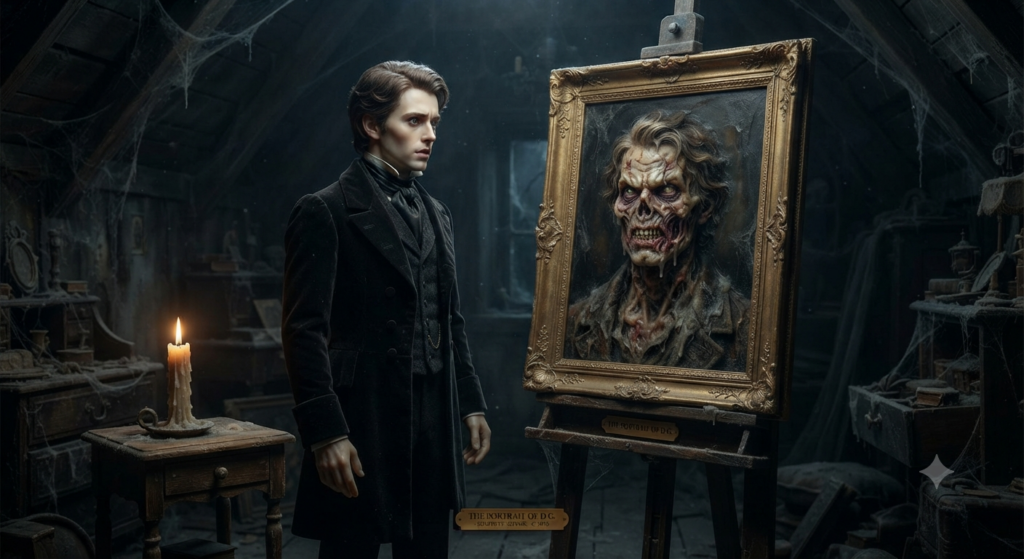
Figure 1. Dorian Gray: The Beautiful Mask
Figure 1. Dorian Gray staring at his portrait in the attic—a visual metaphor for the confrontation between appearance and reality, beauty and corruption.
Figure Description: A young man of extraordinary beauty stands in a dim attic, staring at a painting. His face is flawless, innocent, and untouched. The painting before him shows the same face—but aged, decayed, and hideous. The contrast between the two is shocking. The room is dusty and shadowed, lit only by a single candle. The mood is tense and haunting—capturing the moment Dorian confronts the truth of his own soul.
Introduction
Dorian Gray is the protagonist of Oscar Wilde‘s only novel, The Picture of Dorian Gray, first published in Lippincott’s Monthly Magazine in 1890 and expanded into a novel in 1891. The novel is a masterpiece of Gothic fiction and a philosophical exploration of beauty, morality, and the corruption of the soul.
Dorian Gray is a young man of extraordinary beauty, living in late-Victorian London. He is introduced to the hedonistic worldview of Lord Henry Wotton, who argues that beauty and sensual fulfillment are the only things worth pursuing in life. Distressed by the realization that his beauty will fade with age, Dorian makes a fateful wish: he would give his soul if his portrait would age and decay while he remained forever young and handsome.
The wish is mysteriously granted. Dorian remains youthful and unblemished for eighteen years, while his hidden portrait—locked away in the attic like a guilty secret—gradually ages and decays, reflecting every sin and depravity of his actions. Dorian pursues a life of decadence, sensuous pleasure, and moral corruption, yet his outward appearance remains innocent and beautiful.
The novel explores the tension between appearance and reality, the relationship between ethics and aesthetics, and the disturbing pleasure of leading a double life. Dorian‘s story is a haunting exploration of the cost of living without restraint and the inescapable power of conscience.
“I knew nothing but shadows, and I thought them real. You came—oh, my beautiful love!—and you freed my soul from prison.” — Dorian Gray
The Righteous Dilemma: Can Beauty and Pleasure Replace Morality?
Dorian Gray‘s story forces us to confront a fundamental question of righteousness: When the pursuit of beauty and pleasure becomes life’s highest goal, what happens to the soul?
Lord Henry Wotton introduces Dorian to a dangerous philosophy: that morality is an obstacle to happiness, that pleasure is the only good, and that one should never resist temptation because “The only way to get rid of temptation is to yield to it”. Lord Henry declares that “there is no such thing as a good influence” because to influence a person is to give him one’s own soul.
Dorian embraces this philosophy completely. He dedicates his life to the pursuit of new sensations, indulging every desire without restraint. He ruins reputations, destroys lives, and even commits murder—yet his face remains untouched, his youth preserved. The portrait bears the weight of his sins, allowing Dorian to live as if there were no consequences.
But the portrait is not just a painting—it is his conscience made visible. Every time Dorian looks at it, he sees the ugliness of his soul. He cannot escape the knowledge of what he has become. The novel ultimately argues that a life without moral restraint is not freedom—it is slavery to one‘s own desires.
Table 1. The Righteousness Paradox: Appearance vs. Reality in The Picture of Dorian Gray
| Dorian’s Appearance (The Mask) | Dorian‘s Reality (The Portrait) |
|---|---|
| Youthful, beautiful, and innocent | Aged, decayed, and hideous |
| Respected by London society | Locked away in shameful secrecy |
| No visible consequences for his actions | Every sin recorded on the canvas |
| Believes he has escaped morality | Haunted by the portrait’s constant accusation |
| Lives a life of pleasure and freedom | Enslaved by his own desires and fears |
Note. This table contrasts Dorian‘s flawless public appearance with the decaying portrait that reflects his true moral state. The central righteous question is: Can a person escape the consequences of their actions by hiding them, or does the soul inevitably bear the marks of every choice?
The critical turning point comes when Dorian murders Basil Hallward—the painter who loved him and believed in his goodness. After the murder, Dorian feels no immediate remorse. But he knows that he has crossed a line from which there is no return. He realizes that “he had tarnished himself, filled his mind with corruption and given horror to his fancy; that he had been an evil influence to others”. Yet he cannot stop himself.
Dorian attempts to destroy the portrait—to destroy the evidence of his sins. But when he stabs the painting, he kills himself. The servants find a hideous, aged old man lying dead, and beside him, the portrait of a beautiful young man, restored to its original purity. The novel’s final message is clear: the soul cannot be hidden forever, and the bill for a life without righteousness always comes due.
Key Scenes of Moral Choice
Scene 1: The Wish — Selling the Soul for Beauty
In Basil Hallward‘s studio, Lord Henry Wotton speaks to Dorian about the fleeting nature of youth and beauty. He warns Dorian that his beauty will fade, that time will rob him of everything. Dorian, deeply affected, declares that he would give his soul if the portrait would age while he remained young and handsome. The wish is granted—but Dorian does not yet understand the cost.
The Question: What is the value of a soul? Is eternal youth worth the price of one’s moral integrity?
The Righteous Failure: Dorian makes a wish based on vanity and fear, without considering the consequences. A soul cannot be traded for beauty without the beauty becoming a curse.
Scene 2: Sibyl Vane — The First Victim of Vanity
Dorian falls in love with Sibyl Vane, a young actress, because of her beauty and her art. But when she performs poorly because she has fallen in love with him and can no longer pretend, Dorian cruelly rejects her. He tells her that she is no longer beautiful to him. That night, Sibyl commits suicide. Lord Henry convinces Dorian that he bears no responsibility, and Dorian accepts this—a choice that begins his descent into moral corruption.
The Question: Is love only about beauty and performance? What responsibility does one person have for another‘s heart?
The Righteous Failure: Dorian treats Sibyl as an object of beauty rather than a human being. When she no longer serves his aesthetic pleasure, he discards her. The inability to see the humanity in others is the first step toward corruption.
Scene 3: The Portrait‘s Transformation — The Visible Conscience
After Sibyl’s death, Dorian returns home and notices a cruel expression on the face of his portrait. The portrait has begun to change—it is recording his sins. Dorian is horrified but fascinated. He decides to seek Sibyl’s forgiveness, but Henry convinces him that it is pointless. Dorian hides the portrait in the attic and continues his life of pleasure, but he can never forget what the painting shows.
The Question: Can a person ignore their conscience if they hide it away? Does the guilt disappear if it is not seen?
The Righteous Lesson: Conscience cannot be locked away. Even when Dorian does not look at the portrait, he knows it is there—just as every person knows the truth of their own actions.
Scene 4: The Murder of Basil Hallward — The Final Crossing
Basil Hallward, the painter who created the portrait and who has always believed in Dorian‘s goodness, confronts him about the rumors of his corruption. Basil demands to see the portrait, to see the truth. Dorian shows him the decaying, hideous painting—and then, in a fit of rage and shame, murders Basil. After the murder, Dorian feels no immediate remorse. He has crossed the final line.
The Question: What happens when a person becomes so corrupted that they can kill without feeling? Is there any return from such a state?
The Righteous Lesson: Every sin hardens the heart. Dorian‘s murder of Basil is the logical conclusion of a life lived without moral restraint.
Scene 5: The Attempt to Destroy the Portrait — The Final Reckoning
Years later, Dorian is haunted by the portrait—the evidence of his sins. He decides to destroy it, thinking that if he destroys the evidence, he will be free. He takes the knife that killed Basil and stabs the painting. But in destroying the portrait, he destroys himself. The servants find the body of a hideous, aged old man, and beside him, the portrait of a beautiful young man, restored to its original purity.
The Question: Can a person destroy the evidence of their sins and escape the consequences? Or does the attempt to hide the truth only make the final reckoning worse?
The Righteous Lesson: Truth cannot be destroyed. The portrait could not be killed because it was the truth of Dorian‘s soul. In attempting to destroy it, he destroyed himself. The soul always tells the truth—even when we refuse to look.
Memorable Quotes
Table 2. Key Quotes from The Picture of Dorian Gray on Beauty, Sin, and the Soul
| Quote | Speaker | Significance |
|---|---|---|
| “There is no such thing as a good influence, Mr. Gray. All influence is immoral—immoral from the scientific point of view.” | Lord Henry Wotton | Lord Henry‘s philosophy: influence corrupts because it prevents self-development |
| “The only way to get rid of temptation is to yield to it. Resist it, and your soul grows sick with longing for the things it has forbidden to itself.” | Lord Henry Wotton | The hedonistic worldview that Dorian embraces—surrender to every desire |
| “I knew nothing but shadows, and I thought them real. You came—oh, my beautiful love!—and you freed my soul from prison.” | Dorian Gray (to Sibyl) | Dorian’s romantic idealization of Sibyl—before his cruelty destroys her |
| “Those who find beautiful meanings in beautiful things are the cultivated. For these there is hope.” | Oscar Wilde | The Preface—suggesting that true appreciation of beauty requires moral depth |
| “There is no such thing as a moral or an immoral book. Books are well written or badly written. That is all.” | Oscar Wilde | Wilde‘s controversial claim—art is separate from morality |
| “The terrible pleasure of a double life.” | Narrator (ch. 15) | Dorian’s enjoyment of his secret corruption—a phrase that captures the novel’s core tension |
Note. These passages trace the novel‘s philosophical tension between aesthetic pleasure and moral responsibility. The quotes reveal Wilde’s exploration of whether beauty can exist without goodness, and whether the soul can be hidden from view.
Lessons on Righteousness from Dorian Gray
Table 3. Lessons on Righteousness from The Picture of Dorian Gray
| Lesson | Application |
|---|---|
| The soul cannot be hidden | Dorian’s portrait reveals the truth of his corruption. No matter how perfect the exterior, the soul bears the marks of every choice. |
| Beauty without goodness is hollow | Dorian remains beautiful but becomes monstrous. True beauty is not just appearance—it is integrity of character. |
| Conscience cannot be silenced | Dorian tries to ignore the portrait, but it haunts him. The voice of conscience cannot be permanently silenced—it will always find a way to speak. |
| Influence can corrupt | Lord Henry’s philosophy poisons Dorian‘s soul. The people we listen to shape who we become—choose influences wisely. |
| Vanity is a form of idolatry | Dorian worships his own beauty and loses his soul. When we worship ourselves, we destroy what is most valuable in us. |
| The attempt to escape consequences is futile | Dorian hides the portrait and tries to destroy it, but the truth catches up with him. Consequences cannot be avoided forever—justice always comes. |
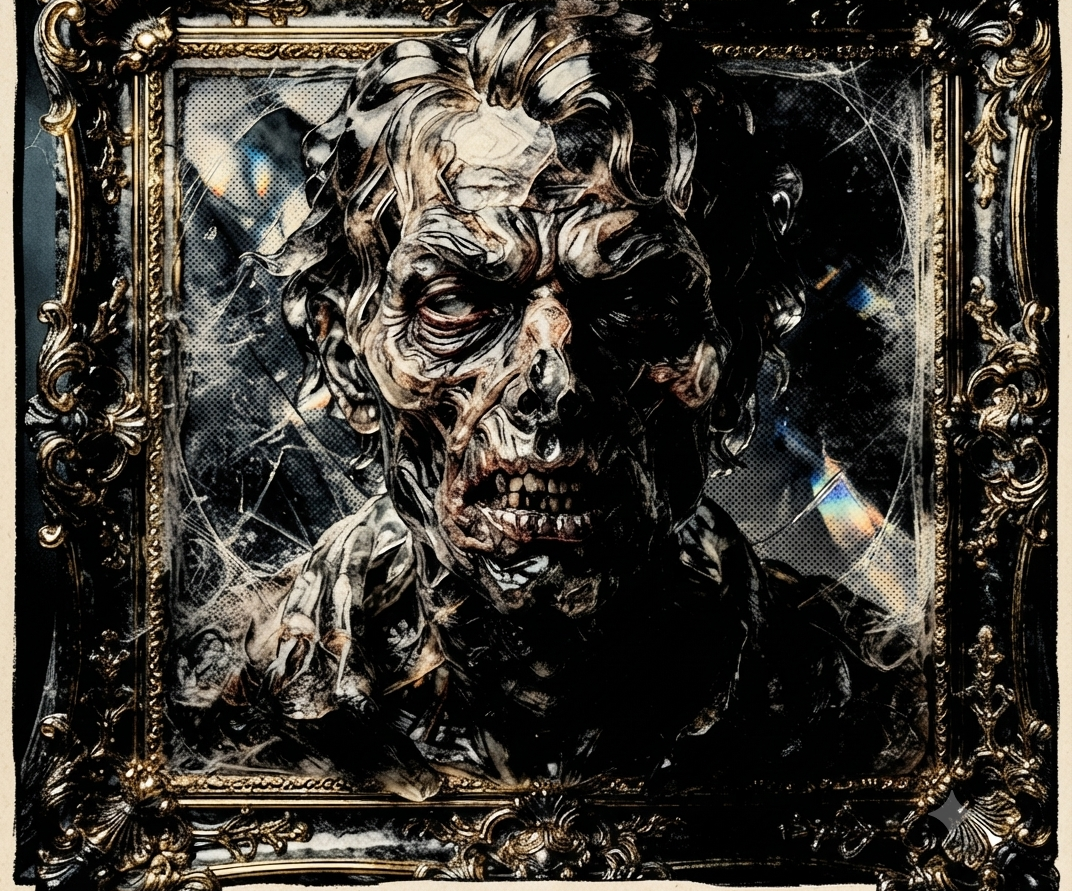
Figure 2. The Portrait: The Visible Soul
Figure 2. The decaying portrait of Dorian Gray locked in the attic—a visual metaphor for the soul that bears the weight of every sin, hidden from view but never erased.
Figure Description: A large oil painting of a young man hangs on a dark attic wall. The painting is grotesque—the figure is aged, decayed, with cruel eyes and a twisted mouth. The frame is ornate but dusty. The room is dark, lit only by faint light from a small window. The mood is eerie and unsettling—capturing the horror of a soul that has been corrupted beyond recognition.
Further Resources
- Read the full text: Wilde, O. (1890/1891). The picture of Dorian Gray. The novel is in the public domain in the United States and available for free through Project Gutenberg and Standard Ebooks.
- Listen to the audiobook: Free public domain recordings are available through Librivox.
- Watch the film adaptations:
- The Picture of Dorian Gray (1945). Directed by Albert Lewin. Starring Hurd Hatfield as Dorian Gray. Generally acclaimed as the best adaptation, with four Academy Award nominations.
- Dorian Gray (2009). Directed by Oliver Parker. Starring Ben Barnes as Dorian Gray and Colin Firth as Lord Henry Wotton.
- Explore more: Visit the Literary Figures of Righteousness Hall to discover other literary characters who faced moral dilemmas.
References
Wilde, O. (1890). The picture of Dorian Gray. Lippincott‘s Monthly Magazine.
Wilde, O. (1891). The picture of Dorian Gray. Ward, Lock & Company.
Lewin, A. (Director). (1945). The picture of Dorian Gray [Film]. Metro-Goldwyn-Mayer.
Parker, O. (Director). (2009). Dorian Gray [Film]. Ealing Studios.