
George Washington — United States (1732–1799)
Audio Story: Righteousness, Wisdom and Reflection
George Washington was a military leader, statesman, and the first President of the United States. He played a central role in the founding of the American republic and is widely recognized for his commitment to public duty, integrity, and responsible leadership.
Washington’s leadership during the American Revolutionary War and his guidance in the early years of the United States established important precedents for constitutional government and democratic institutions. His example of restraint in the exercise of power has made him one of the most respected figures in modern political history.
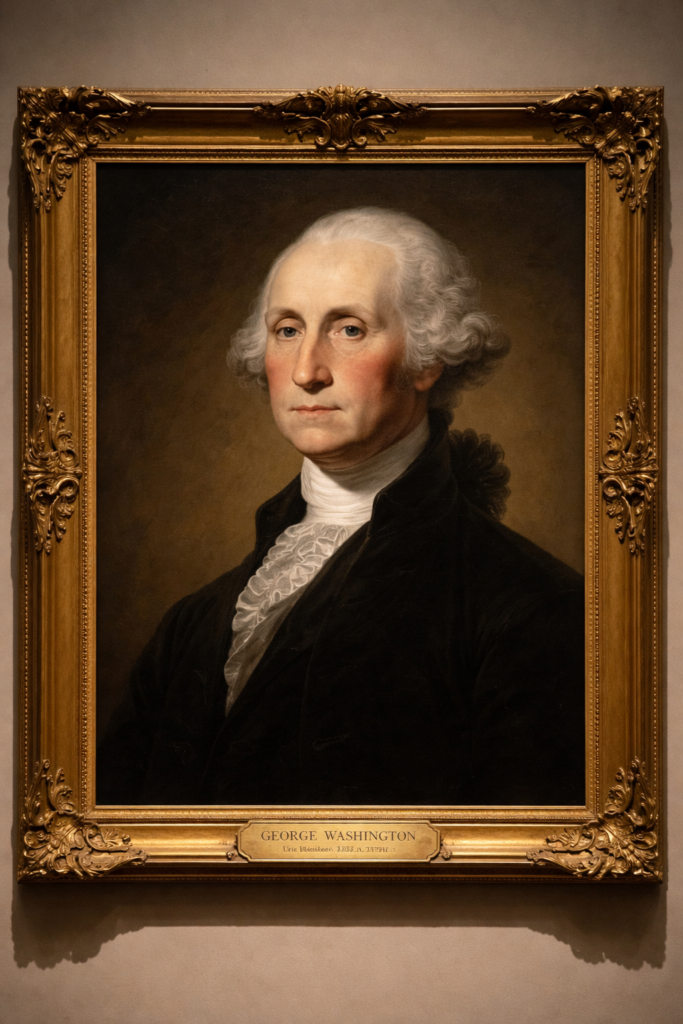
Figure 1. Portrait of George Washington (Oil on Canvas)
Historical Context
Washington rose to prominence during the American Revolutionary War (1775–1783), serving as commander-in-chief of the Continental Army. Under his leadership, the American colonies fought for and secured independence from Great Britain.
Following the war, Washington played an important role in shaping the new nation. He presided over the Constitutional Convention in 1787 and later served as the first President of the United States (1789–1797). During his presidency, Washington helped establish many of the political traditions and institutional norms that guided the early republic.
Civic Virtue and Leadership
Washington is often associated with the principle of civic virtue—the belief that public leaders should place the common good above personal ambition.
One of the most significant moments of his leadership occurred when he voluntarily stepped down from the presidency after two terms. At a time when many revolutionary leaders retained power indefinitely, Washington’s decision reinforced the principle of peaceful transfer of power and the importance of constitutional limits on authority.
This act of restraint became a defining example of ethical leadership and helped shape democratic traditions in the United States and around the world.
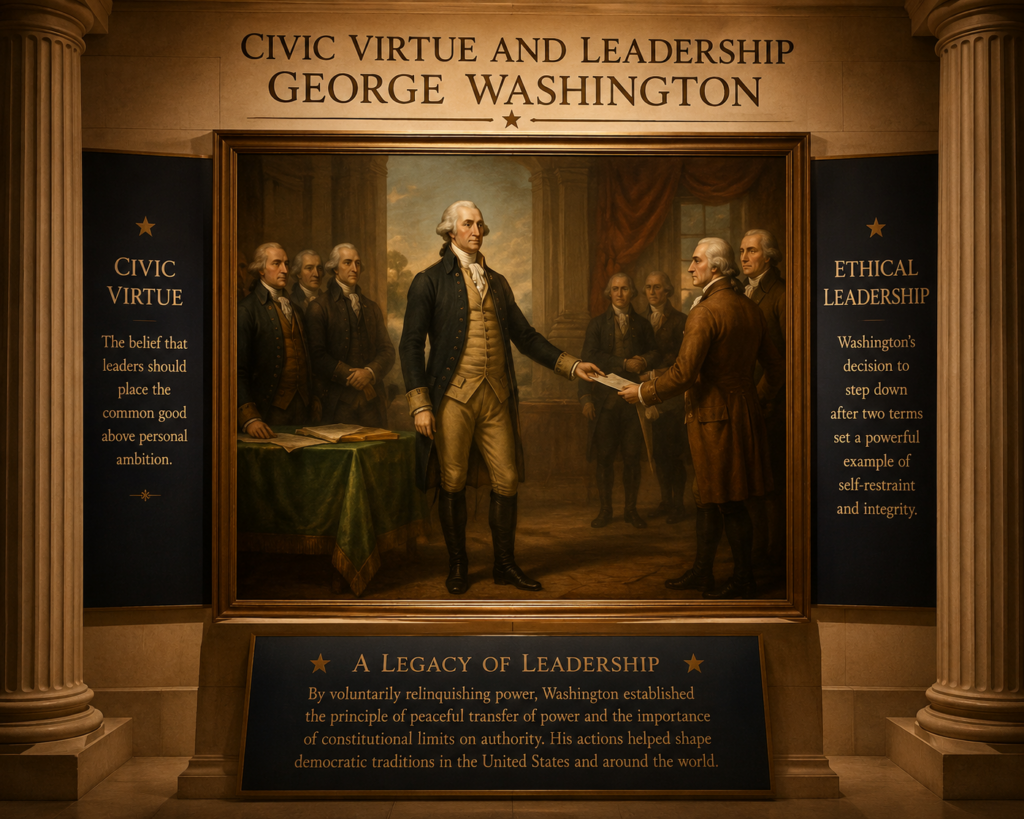
Figure 2. Portrait of George Washington: Watercolor on paper
Righteous Innovation: Establishing the Model of Voluntary Presidential Term Limits
One of George Washington’s most significant righteous innovations was his decision to voluntarily leave office after serving two presidential terms. While many leaders throughout history sought to extend their authority indefinitely, Washington introduced a new model of leadership based on self-restraint, constitutional principles, and service to future generations. His decision became a landmark example of what can be called a righteous innovation—an innovation that advances the common good through moral leadership rather than personal gain.
In the late eighteenth century, the concept of a peaceful transfer of executive power was largely untested. Across much of the world, political leaders often ruled for life, and successful military commanders frequently transformed their popularity into permanent authority. As the first President of the United States, Washington possessed immense public support and could likely have remained in office indefinitely. Instead, he chose a different path. After completing his second term in 1797, he voluntarily stepped down and returned to private life.
This act represented a profound righteous innovation in political governance. Washington demonstrated that public office should be viewed as a temporary trust rather than a personal possession. By willingly relinquishing power, he strengthened the legitimacy of democratic institutions and reinforced the principle that no individual should become indispensable to a republic. His example showed that the stability of a nation depends upon the rule of law rather than the ambitions of a single leader.
The influence of Washington’s righteous innovation extended far beyond the United States. His decision established an enduring tradition of peaceful transitions of power and inspired democratic movements throughout the world. More than a century later, the two-term tradition he pioneered became formalized in the United States Constitution through the Twenty-Second Amendment. Today, voluntary respect for constitutional limits remains a hallmark of democratic governance in many nations.
Washington’s legacy illustrates that the greatest innovations are not always technological or economic. Sometimes they are moral innovations that redefine how leaders exercise authority. His righteous innovation of voluntarily limiting presidential power created a model of ethical leadership that continues to inspire governments, institutions, and citizens around the world.
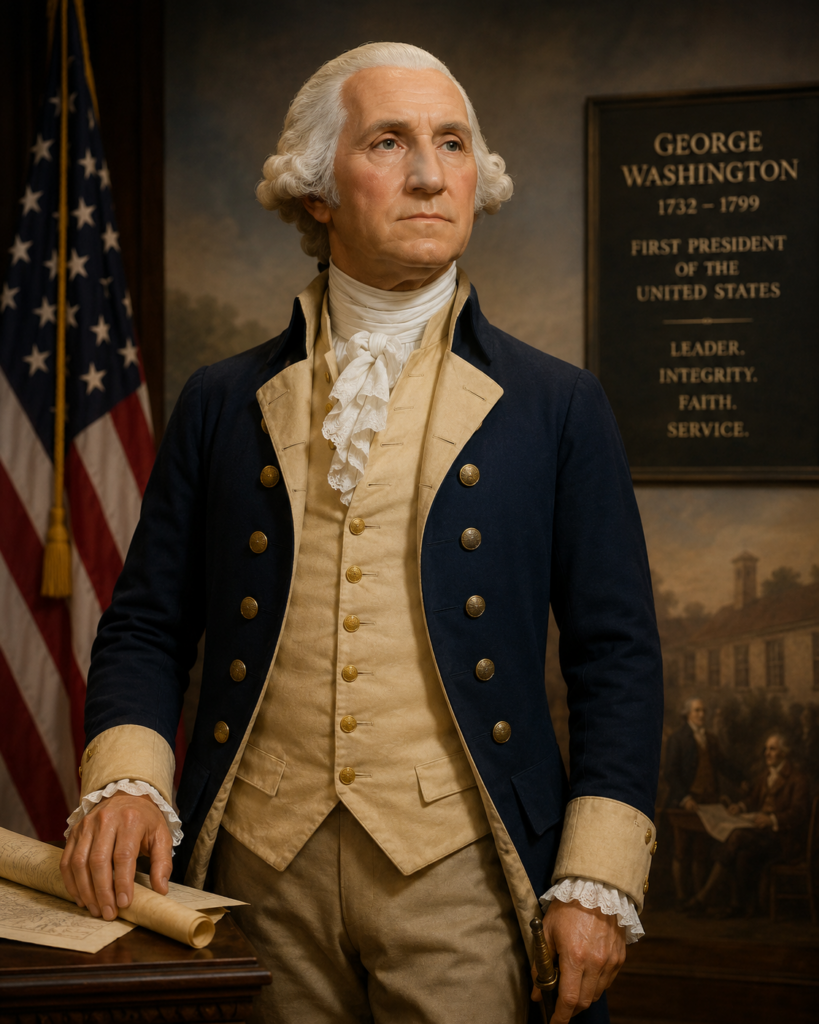
Figure 3. Wax Sculpture of Duty Before Power
Challenges and Adversity
Throughout his career, Washington faced numerous military, political, and personal challenges. During the early years of the American Revolutionary War, the Continental Army struggled with limited resources, inadequate supplies, and inexperienced soldiers.
One of the most difficult periods occurred during the winter at Valley Forge (1777–1778), when Washington and his troops endured harsh weather, hunger, and disease. Despite these hardships, Washington maintained the unity and morale of the army, helping to sustain the revolutionary cause during a critical moment in the war.
These experiences tested Washington’s leadership and resilience, demonstrating his ability to guide a nation through uncertainty and adversity.
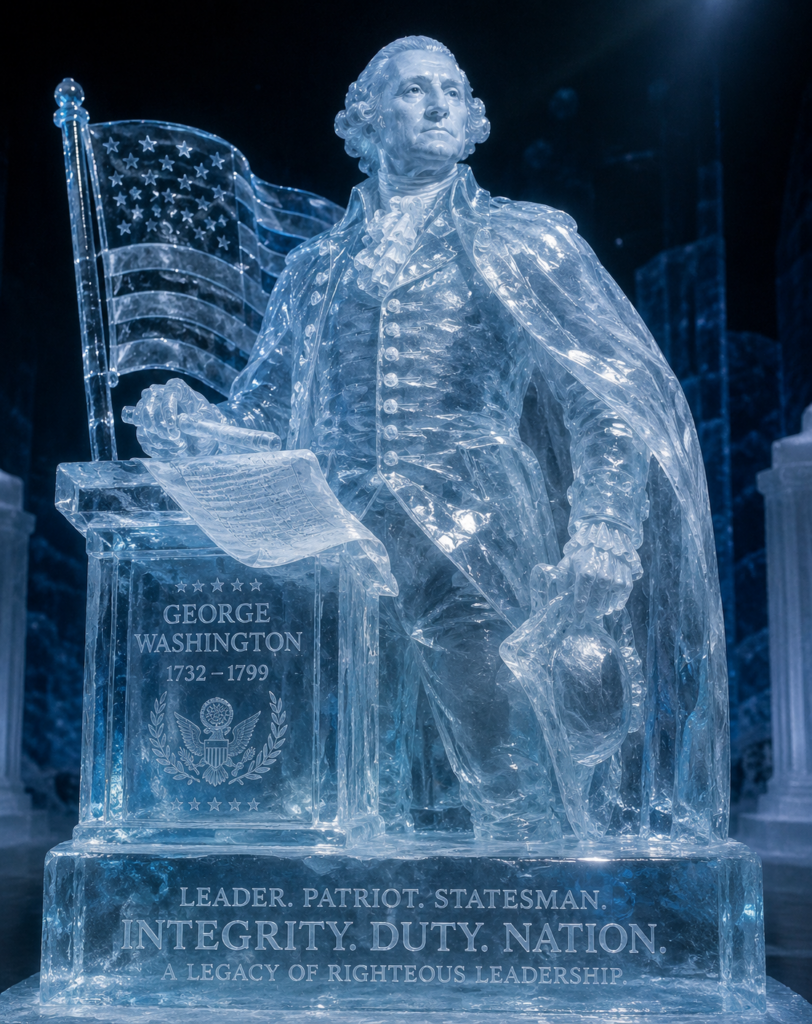
Figure 4. George Washington: The Pioneer of Peaceful Democratic Leadership, Depicted in Ice Sculpture
Legacy
George Washington’s legacy extends beyond his military victories or political leadership. His commitment to integrity, responsibility, and public service helped establish foundational values for the new American nation.
Today, Washington is remembered as a symbol of principled leadership and dedication to the public good. His life continues to illustrate how moral character and a sense of duty can guide leadership during times of profound historical change.
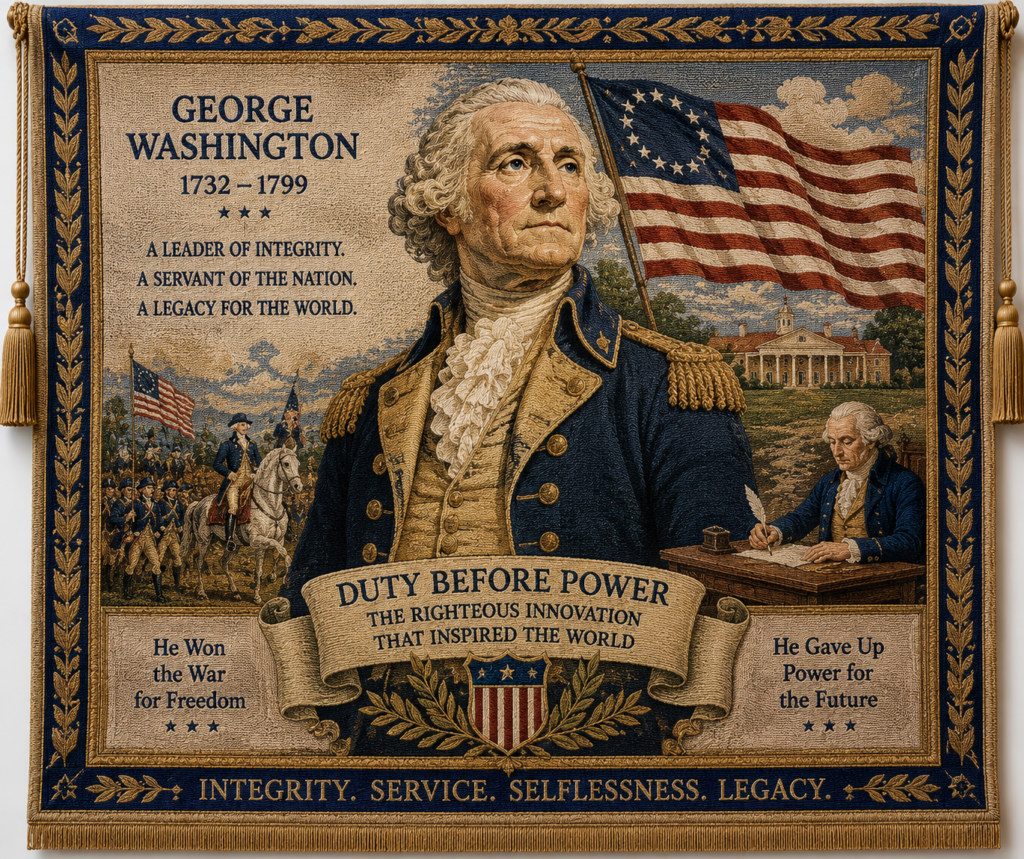
Figure 5. A Textile Tapestry Celebrating Duty Before Power
References
National Archives. Founders Online: George Washington Papers.
Mount Vernon Ladies’ Association. George Washington Biography.
Library of Congress. George Washington Collection.
Ellis, Joseph J. His Excellency: George Washington. New York: Alfred A. Knopf, 2004.
Chernow, Ron. Washington: A Life. New York: Penguin Press, 2010.

Museum Test Prep App-George Washington
The Righteousness Museum Album – Washington
The Kids Zone