From: Harry Potter series (1997–2007) by J.K. Rowling (UK)
Research Wing — Literary Righteousness Research Hall
The Righteous Museum
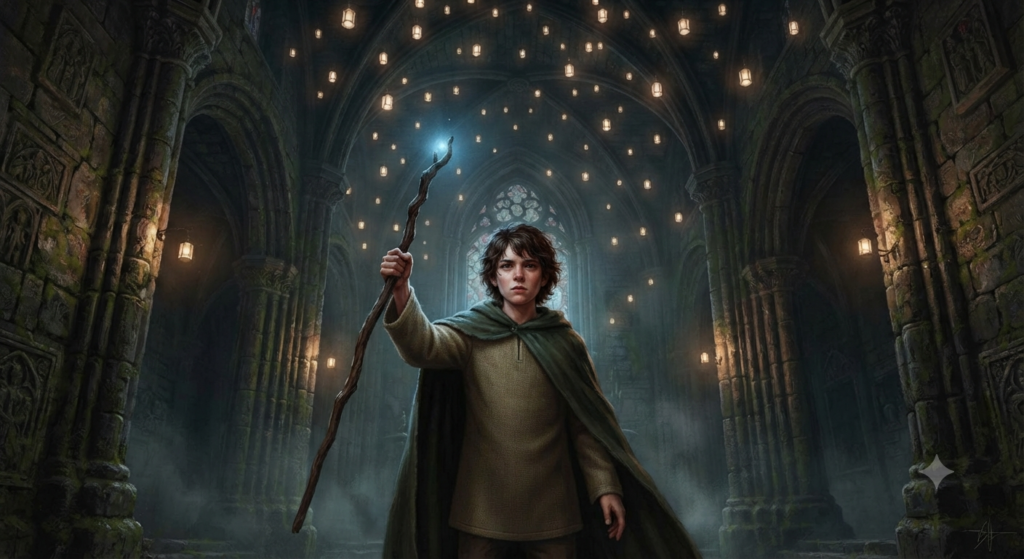
Figure 1 — Harry Potter: The Boy Who Lived
Figure 1. Harry Potter standing in the Great Hall of Hogwarts, wand raised—a visual metaphor for his journey from an orphaned boy to a symbol of courage, love, and resistance against darkness.
Figure Description: A young boy with messy dark hair, round glasses, and a distinctive lightning-shaped scar on his forehead stands in a grand, candlelit hall. He holds a wand in his hand, his expression determined yet vulnerable. The hall is filled with floating candles, magical ceilings reflecting the night sky, and ancient stone walls. The mood is hopeful, epic, and cinematic—capturing the beginning of his journey to confront the forces of darkness.
Introduction
Harry Potter is the protagonist of J.K. Rowling‘s seven-book fantasy series, published between 1997 and 2007. Orphaned as a baby after his parents were murdered by the dark wizard Lord Voldemort, Harry was raised by his cruel aunt and uncle, the Dursleys, who treated him as a burden. On his eleventh birthday, he discovers the truth: he is a wizard, and he has been accepted to Hogwarts School of Witchcraft and Wizardry.
The series follows Harry’s journey from a lonely, mistreated child to a courageous young wizard who confronts the darkest evil of his world. He makes friends, discovers his parents’ legacy, and learns that love is the most powerful magic of all. Harry’s story is not just about magic and adventure—it is about the choices that define who we are.
“It is our choices, Harry, that show what we truly are, far more than our abilities.” — Albus Dumbledore (Rowling, 1998)
Harry is not a perfect hero. He is often angry, impulsive, and frustrated. Yet his moral compass never wavers. He consistently chooses courage over fear, love over hate, and sacrifice over self-preservation. This is what makes him an exceptional figure for the study of righteousness.
What makes Harry a compelling figure for the study of righteousness is his relentless commitment to doing what is right, even when it is difficult, dangerous, or personally costly. He does not seek power or glory. He acts out of love for his friends, his family, and his community.
The Righteous Dilemma: What Does It Mean to Choose Good?
Harry Potter‘s story forces readers to confront one of the most fundamental questions of righteousness: What does it mean to be a good person, and how do our choices define us?
The series presents a world where good and evil are not determined by birth, blood, or destiny—but by choice. Harry and Voldemort share many similarities: both are orphans, both have magical abilities, both were raised outside the wizarding world. Yet they make completely different choices. Voldemort chooses power, domination, and fear. Harry chooses love, friendship, and sacrifice.
The series also explores the complexity of moral judgment. Characters like Dumbledore, Snape, and Regulus Black are neither purely good nor purely evil. They make mistakes, hold unjustifiable views, and yet ultimately choose redemption. This nuance is central to the series’ moral vision: good and evil are not fixed states—they are paths we choose, moment by moment.
Table 1. The Righteousness Paradox: Harry vs. Voldemort
| Harry Potter Chooses | Lord Voldemort Chooses |
|---|---|
| Love and friendship | Power and domination |
| Sacrifice for others | Sacrifice others for himself |
| Courage in the face of fear | Fear and control |
| Forgiveness and redemption | Revenge and destruction |
| Community and belonging | Isolation and superiority |
Note. This table contrasts the moral choices of Harry Potter and Lord Voldemort. Though they share similar origins, their choices lead them to opposite paths—one of righteousness, the other of destruction. The central righteous question is: What choices are we making, and who are we becoming through them?
The critical insight of the series is that righteousness is not about being perfect—it is about choosing love over fear, again and again. Harry makes mistakes. He is sometimes selfish, sometimes angry, sometimes wrong. But he always returns to the path of love and sacrifice. This is what makes him righteous.
Key Moral Dilemmas in the Story
Dilemma 1: The Philosopher‘s Stone — Choosing Not to Use Power
At the age of eleven, Harry faces the Mirror of Erised, which shows a person’s deepest desire. Quirrell, who seeks the Philosopher’s Stone, sees himself presenting the Stone to Voldemort. Harry sees himself with the Stone—but he does not want to use it. He only wants to find it. This distinction is crucial: only a person who wants to find but not use the Stone can obtain it.
The Righteous Question: What does it mean to have power and choose not to use it? Is there virtue in restraint?
The Lesson: Harry‘s refusal to use the Stone for personal gain demonstrates that righteousness is not about having power—it is about how you use it, or choose not to use it.
Dilemma 2: The Chamber of Secrets — Breaking Rules to Do What Is Right
Throughout the series, Harry and his friends break rules when they believe following them conflicts with doing what is right. In The Chamber of Secrets, they break “about a hundred school rules” to save Ginny Weasley and stop the attacks on Muggle-born students.
The Righteous Question: Is it ever right to break rules? When does obedience become complicity in injustice?
The Lesson: Rules are not always aligned with morality. Harry and his friends prioritize doing what is right over following rules, showing that righteousness sometimes requires rebellion.
Dilemma 3: The Triwizard Tournament — Choosing Fairness Over Victory
During the second Triwizard task, Harry must rescue Ron from the lake. He succeeds in rescuing Ron, but he refuses to leave until the other hostages are also rescued—even though it means forfeiting the task.
The Righteous Question: Is winning more important than doing what is fair? What is the value of integrity in competition?
The Lesson: Righteousness is not about winning—it is about fairness and compassion. Harry‘s refusal to leave the other hostages demonstrates that he values others’ lives over his own victory.
Dilemma 4: The Deathly Hallows — Choosing Death Over Defeat
In the final book, Harry learns that he must die to defeat Voldemort. He walks into the Forbidden Forest, willingly going to what he believes is his death. He does this not because he is fearless, but because he loves his friends and wants to protect them.
The Righteous Question: What does it mean to sacrifice yourself for others? Is there a greater love than laying down one’s life for one‘s friends?
The Lesson: The willingness to sacrifice oneself for others is the highest form of righteousness. Harry’s choice to die for his friends is the culmination of his moral journey—he has become someone who would give everything for love.
What Harry Teaches Us About Righteousness
Table 2. Lessons on Righteousness from Harry Potter
| Lesson | Application |
|---|---|
| Our choices define who we are | Harry and Voldemort share similar origins but make completely different choices. Righteousness is not about birth or destiny—it is about choice. |
| Love is the most powerful force | Lily Potter’s sacrifice protects Harry. Love is not weakness—it is the strongest magic of all. |
| Rules are not always moral | Harry breaks rules to do what is right. Obedience to unjust rules is not righteousness—it is complicity. |
| Courage is not the absence of fear | Harry is afraid, but he acts anyway. Righteousness requires courage, not fearlessness. |
| Redemption is possible | Snape, Dumbledore, and Regulus Black all make terrible mistakes—yet they choose redemption. No one is beyond the possibility of change. |
| Sacrifice is the highest love | Harry walks to his death to save his friends. Righteousness is measured by what we are willing to give up for others. |
The Reluctant Righteous Figure
Harry is not a traditional hero. He does not seek fame, power, or glory. He is often reluctant, uncertain, and afraid. Yet he consistently chooses to do what is right—even when it costs him everything.
What makes Harry a compelling figure for the study of righteousness is precisely his humanity. He is not a perfect, untouchable hero. He is a boy who struggles, makes mistakes, and doubts himself—yet who always returns to the path of love, courage, and sacrifice.
Key Righteous Qualities of Harry Potter:
| Quality | How It Manifests |
|---|---|
| Courage | Faces Voldemort repeatedly, knowing the danger |
| Loyalty | Stays loyal to his friends, even when it is dangerous |
| Self-Sacrifice | Walks to his death to save others |
| Compassion | Shows mercy to those who have wronged him, including Pettigrew and Malfoy |
| Integrity | Refuses to use power for selfish purposes |
Harry‘s moral evolution—from a neglected child to a courageous young man who chooses love over hate—offers a powerful model of how righteousness is not about being born good, but about choosing good, again and again.
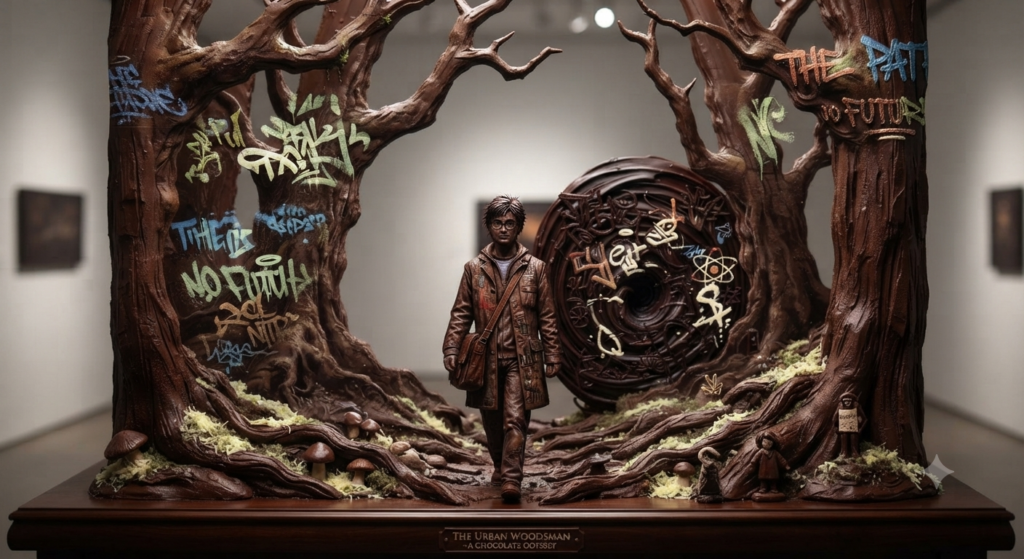
Figure 2 — The Forbidden Forest: Choosing Death for Love
Figure 2. Harry walking into the Forbidden Forest, knowing he is going to his death—a visual metaphor for the ultimate act of love and sacrifice.
Figure Description: A young man with messy dark hair and round glasses walks alone through a dark, ancient forest. His expression is calm and resolute—he knows what he is about to do. The trees are tall and gnarled, with moonlight filtering through the canopy. In the distance, a faint glow suggests the presence of Voldemort and his followers. The mood is solemn, heroic, and tragic—capturing the moment Harry chooses to sacrifice himself for those he loves.
Research Recommendations
For those interested in exploring the righteousness themes of the Harry Potter series further, the following scholarly works are recommended:
- Alberry, A. C. L. Virtue at Hogwarts: Aristotle‘s Nicomachean Ethics through the lens of J.K. Rowling’s sorting system [Master‘s thesis, University of Regina]. Explores how Aristotle’s ethics are reflected through the Hogwarts houses and their characteristic virtues.
- Mishra, N. K., & Ghosh, R. Moral education through literary aesthetic experience: A moral study of the Harry Potter series. Examines how the series builds positive moral psychology through moral agency, moral point of view, and moral judgment.
- Stephens, K. A power the Dark Lord knows not: Ethical love as a critique of Western individualism in Harry Potter. Argues that the series offers a socio-political critique of individualism, upholding a vision of goodness rooted in ethical love and community.
- Baggett, D., & Klein, S. E. (Eds.). (2004). Harry Potter and philosophy: If Aristotle ran Hogwarts. Open Court. A collection of essays examining the philosophical themes of the series.
- Holland, N. J. (2015). Harry Potter and the way of truth: Reflections on where we are as standing towards religion. Traces ethical imperatives through the Harry Potter saga.
References
Alberry, A. C. L. Virtue at Hogwarts: Aristotle‘s Nicomachean ethics through the lens of J.K. Rowling’s sorting system [Master‘s thesis, University of Regina]. Scholaris.
Baggett, D., & Klein, S. E. (Eds.). (2004). Harry Potter and philosophy: If Aristotle ran Hogwarts. Open Court.
Holland, N. J. (2015). Harry Potter and the way of truth: Reflections on where we are as standing towards religion.
Mishra, N. K., & Ghosh, R. Moral education through literary aesthetic experience: A moral study of the Harry Potter series. PhilPapers.
Rowling, J. K. (1997). Harry Potter and the philosopher‘s stone. Bloomsbury.
Rowling, J. K. (1998). Harry Potter and the chamber of secrets. Bloomsbury.
Rowling, J. K. (1999). Harry Potter and the prisoner of Azkaban. Bloomsbury.
Rowling, J. K. (2000). Harry Potter and the goblet of fire. Bloomsbury.
Rowling, J. K. (2003). Harry Potter and the order of the phoenix. Bloomsbury.
Rowling, J. K. (2005). Harry Potter and the half-blood prince. Bloomsbury.
Rowling, J. K. (2007). Harry Potter and the deathly hallows. Bloomsbury.
Stephens, K. (2015). A power the Dark Lord knows not: Ethical love as a critique of Western individualism in Harry Potter. University of Florida Institutional Repository.
Disclaimer
“Harry Potter” and related names, characters, and other associated intellectual property are trademarks and copyrighted works of their respective rights holders, including Warner Bros. Entertainment Inc. and J.K. Rowling, where applicable. This website is an independent educational and research project and is not affiliated with, endorsed by, sponsored by, or associated with J.K. Rowling, Bloomsbury Publishing, Scholastic Press, Warner Bros. Entertainment Inc., or any other rights holders. The original text, commentary, analysis, educational framework, and AI-generated conceptual illustrations presented on this page were created independently for educational, research, and critical discussion purposes. Any references to the Harry Potter series are made solely to identify and analyze the literary work as part of this educational project.