

Country: Poland
Museum Path: Research Wing > Diligence & Perseverance in Pursuing Righteousness Hall
Education Resource: Music Lyrics
Irena Sendler (1910–2008), Polish social worker and humanitarian, became one of the recognized rescuers of Jews during the Holocaust. During World War II, she repeatedly risked her life to help Jews trapped in the Warsaw Ghetto and helped smuggle Jewish children to places of safety. Working with the underground Council for Aid to Jews, known as Żegota, she helped arrange hiding places, false identities, food, medical assistance, and other forms of protection. After being arrested and tortured by the Gestapo in 1943, she survived a death sentence and continued her underground activities. In 1965, Yad Vashem recognized her as Righteous Among the Nations.
Her story demonstrates an especially powerful relationship among diligence, courage, perseverance, responsibility, and protection of human life.
Sendler did not simply perform one heroic act. She repeatedly performed dangerous tasks, developed networks of assistance, maintained records of children’s identities, protected secrets under interrogation, and continued her rescue work after her own arrest.
Diligence prepares a person to serve.
Courage enables action when danger is real.
Perseverance sustains responsibility when one act is not enough.
Righteousness directs effort toward the protection of human dignity and life.
1. Early Formation — Compassion, Education, and Social Responsibility
Irena Sendler was born in Poland in 1910. Her father, Stanisław Krzyżanowski, was a physician who treated poor patients, including Jews. Her early experiences contributed to her understanding of social responsibility and human dignity. She studied at the University of Warsaw, initially in law and later in Polish studies, and also had practical experience connected with Janusz Korczak’s orphanage.
Before the Holocaust, Sendler became a social worker with the Welfare Department of the Warsaw municipality. Her professional position later gave her knowledge, relationships, and opportunities that became important to her rescue activities.
Her story demonstrates that extraordinary courage can be built upon ordinary preparation.
Righteousness Principle
Diligence begins before the crisis arrives by developing knowledge, skills, compassion, and responsibility.
Table 1. Sendler’s Early Development
| No. | Challenge / Opportunity | Sendler’s Response | Diligence & Perseverance Lesson |
|---|---|---|---|
| 1 | Exposure to poverty and social need | Developed concern for vulnerable people | Pay attention to others’ needs |
| 2 | Need for professional preparation | Studied at university | Develop useful knowledge |
| 3 | Experience with children | Worked and trained in social-service settings | Build practical responsibility |
| 4 | Social inequality | Worked with disadvantaged people | Connect profession with service |
| 5 | Approaching wartime crisis | Used her professional position to help others | Preparation can become service |

Figure 1. From Personal Formation to Social Responsibility
2. Entering the Warsaw Ghetto — Diligence in the Face of Human Suffering
After Germany occupied Poland, the situation of Warsaw’s Jewish population deteriorated rapidly. The Warsaw Ghetto was sealed in November 1940, forcing hundreds of thousands of Jews into an extremely overcrowded area where starvation, disease, and deprivation became widespread.
Sendler used her position as a social worker to enter the ghetto and provide assistance. She obtained permission to enter by working in connection with sanitary inspections and used these opportunities to bring assistance to people facing desperate conditions. She helped provide food, financial support, and other forms of aid.
This demonstrates an important characteristic of diligence:
She did not merely recognize suffering.
She repeatedly acted in response to it.
Righteousness Principle
Compassion becomes responsible action when a person is willing to use available abilities and opportunities to help those in danger.
Table 2. From Compassion to Action
| Stage | Sendler’s Action | Righteousness Dimension |
|---|---|---|
| Awareness | Recognized suffering in the ghetto | Moral awareness |
| Preparation | Used professional knowledge and connections | Diligence |
| Access | Obtained permission to enter the ghetto | Initiative |
| Assistance | Delivered aid and support | Service |
| Persistence | Continued returning despite danger | Perseverance |
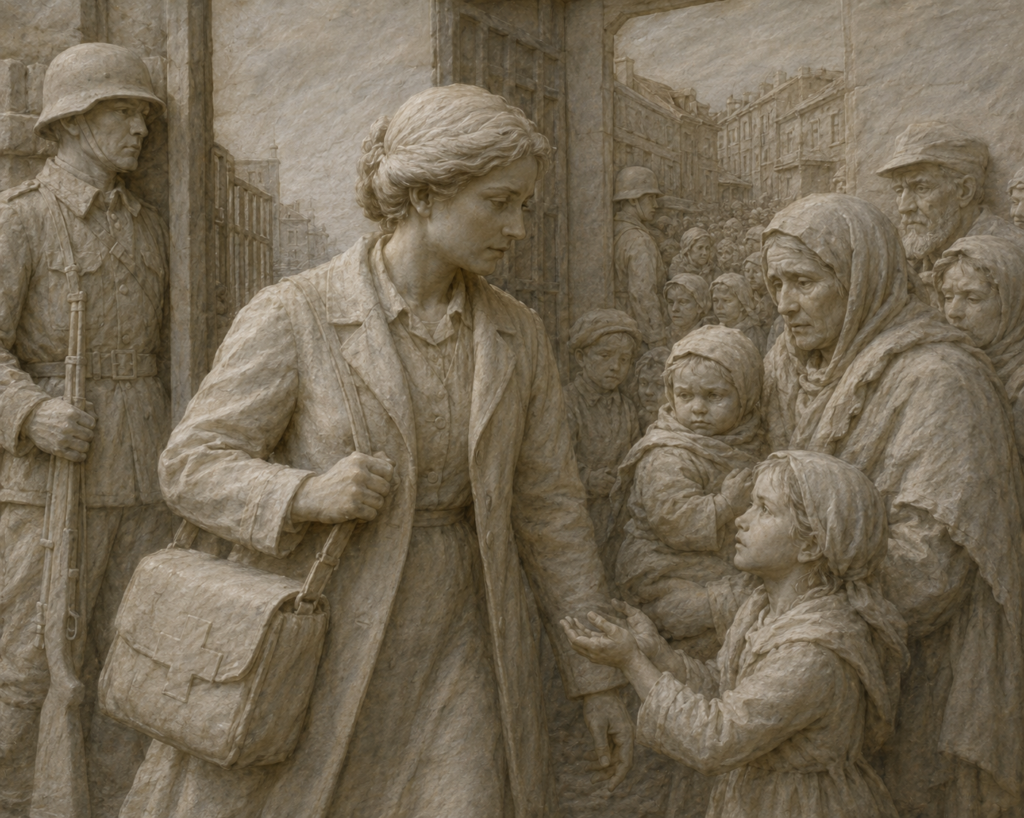
Figure 2. From Seeing Suffering to Taking Responsibility
3. Żegota — Perseverance Through Organized Rescue
Sendler became involved with Żegota, the underground Council for Aid to Jews. The organization coordinated assistance to Jews under Nazi persecution, including hiding places, food, money, medical assistance, and false identity documents.
Under the alias “Jolanta,” Sendler worked to help Jewish children leave the Warsaw Ghetto and reach places where they could be hidden. Children were placed in orphanages, convents, schools, hospitals, and private homes.
The work required much more than courage.
It required planning, coordination, trust, secrecy, communication, recordkeeping, and repeated effort.
The historical record also shows that Sendler’s rescue work was part of a broader network. The rescue of children was not the achievement of one isolated individual but involved many people and institutions.
Righteousness Principle
Righteous action often requires cooperation. Diligence turns moral concern into organized and sustained service.
Table 3. The Rescue Network
| Responsibility | Sendler and Her Network | Diligence Lesson |
|---|---|---|
| Entering dangerous areas | Used professional access | Use opportunities responsibly |
| Identifying children in danger | Worked with people inside the ghetto | Build trust |
| Removing children | Used multiple escape methods and routes | Adapt to circumstances |
| Finding safe locations | Worked with institutions and individuals | Build networks |
| Protecting identities | Created new identities | Maintain responsibility |
| Preserving family information | Recorded identities in code | Think about the future |
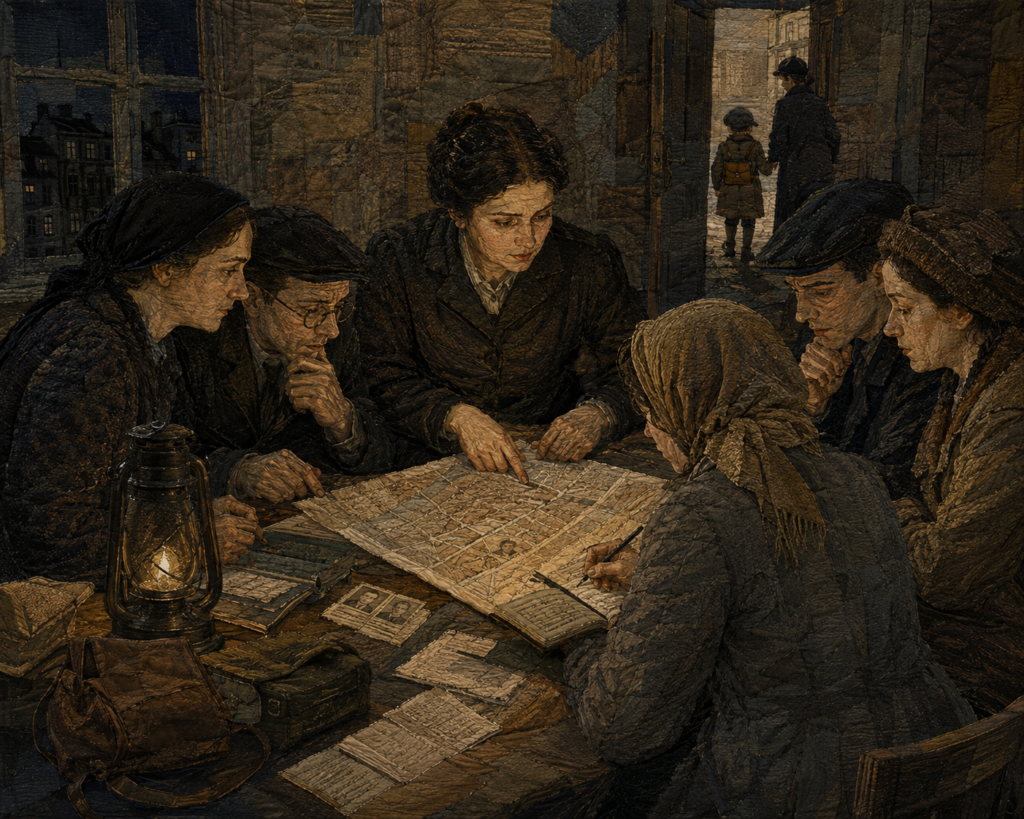
Figure 3. From Individual Courage to Organized Rescue
4. Protecting the Children’s Identities — Diligence Without Immediate Reward
One of the most remarkable aspects of Sendler’s work was her effort to preserve information about the children’s original identities.
Children who were moved to safety often received new identities. Sendler and her colleagues maintained coded records containing information that could help identify the children and reconnect them with surviving relatives after the war.
This work demonstrates a form of diligence that is easy to overlook.
Rescuing a child was an immediate act.
Preserving the child’s identity was an investment in the future.
The records had no guarantee of producing a visible result. The war might continue. Families might not survive. The rescuers themselves might be arrested or killed.
Nevertheless, the information was preserved.
Righteousness Principle
Diligence includes performing important work whose value may not become visible until years later.
Table 4. Invisible Work and Future Responsibility
| Activity | Immediate Reward | Long-Term Purpose |
|---|---|---|
| Recording identities | Little or none | Preserve identity |
| Maintaining secrecy | No recognition | Protect lives |
| Finding hiding places | Constant risk | Provide safety |
| Building relationships | Slow development | Create rescue networks |
| Preserving records | No immediate result | Enable future reunification |
| Continuing assistance | Exhausting and dangerous | Sustain survival |
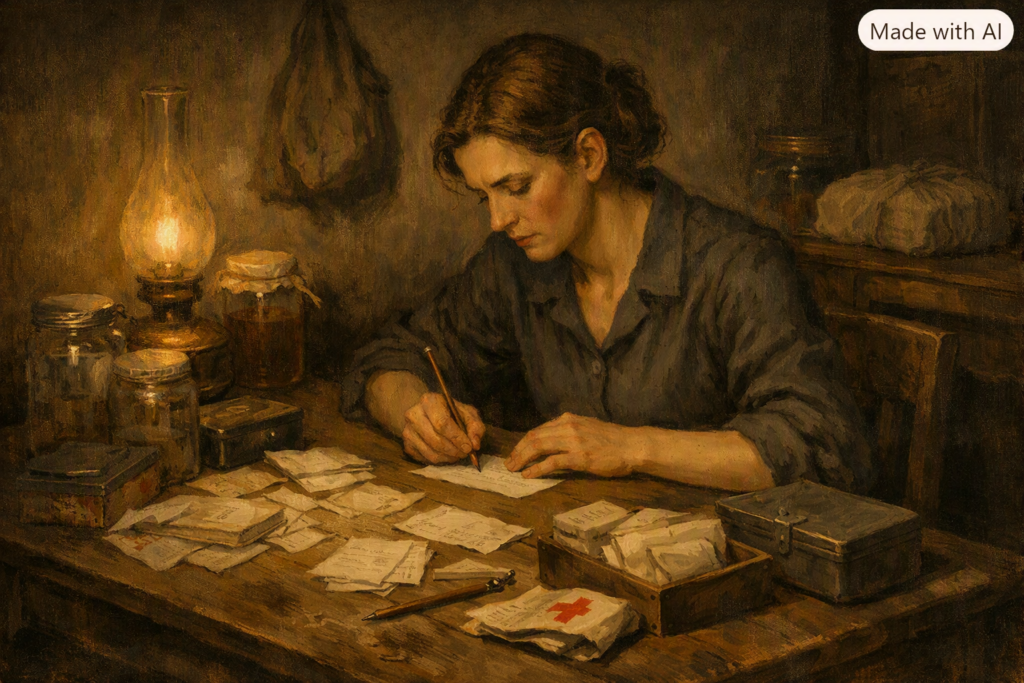
Figure 4. The Invisible Work Behind Rescue
5. Arrest and Torture — Perseverance Under Extreme Pressure
On October 20, 1943, Sendler was arrested by the Gestapo. She was imprisoned at Pawiak, tortured, and sentenced to death. Before her arrest, she had managed to conceal incriminating evidence, including coded information relating to children under Żegota’s care.
During interrogation, Sendler did not reveal the names of the children or her colleagues. Her underground associates arranged for her release through a bribe, and she went into hiding.
Her experience illustrates one of the most demanding forms of perseverance:
continuing a responsibility after personally experiencing the consequences of that responsibility.
She had already seen the danger.
She had already been arrested.
She had already faced death.
Yet the rescue work continued.
Righteousness Principle
Perseverance is most demanding when continuing a worthy responsibility requires accepting personal risk.
Table 5. Extreme Risk and Perseverance
| Threat | Sendler’s Response | Perseverance Lesson |
|---|---|---|
| Gestapo surveillance | Maintained secrecy | Protect others under pressure |
| Arrest | Endured imprisonment | Do not surrender responsibility |
| Torture | Did not reveal children’s identities | Protect the vulnerable |
| Death sentence | Survived through underground assistance | Accept help and continue |
| Need to hide | Assumed a new identity | Adapt without abandoning purpose |
| Continued Nazi persecution | Returned to underground work | Resume responsible action |
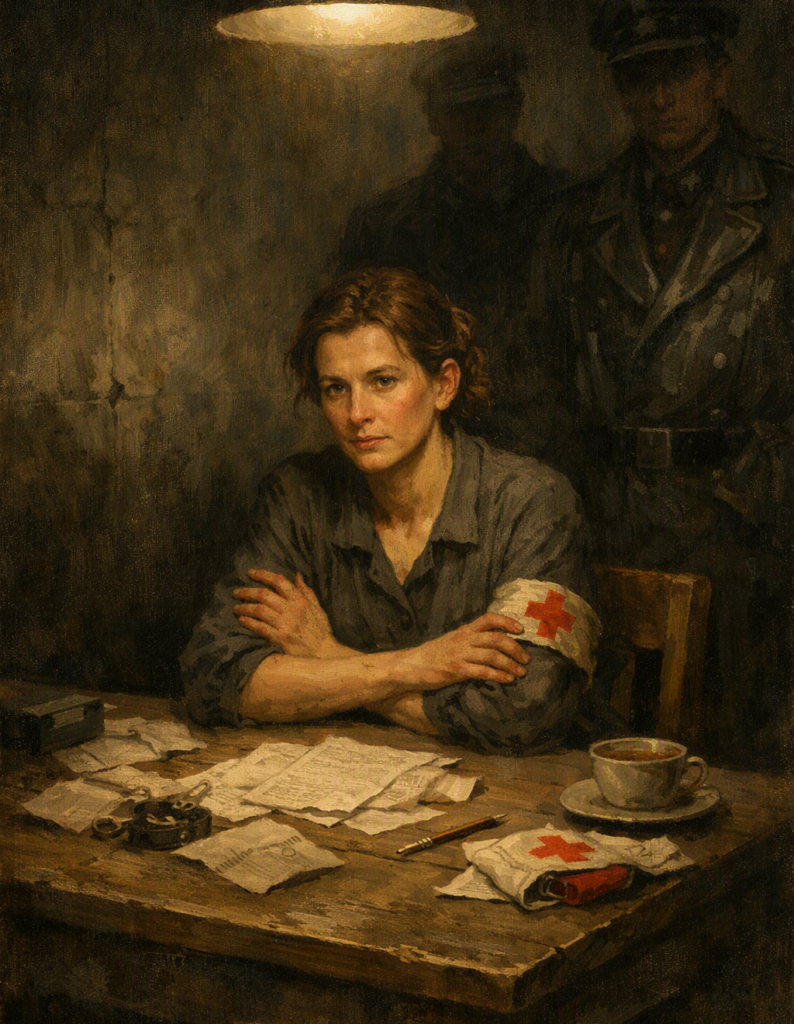
Figure 5. Perseverance Under Extreme Pressure
6. Continuing After Rescue — Perseverance Does Not End With Survival
After her release in February 1944, Sendler continued her underground activities despite knowing that authorities were watching her. She was forced to remain in hiding, and the danger affected even her personal life. Yad Vashem records that the circumstances prevented her from attending her mother’s funeral.
This part of her story is particularly important for the museum’s theme.
Perseverance is not simply surviving one difficult event.
It is the willingness to continue responsible work after the crisis has already demonstrated its cost.
Righteousness Principle
Perseverance means returning to responsibility after hardship rather than assuming that surviving hardship is the end of one’s duty.
Table 6. Continuing After Crisis
| Situation | Sendler’s Response | Character Lesson |
|---|---|---|
| Arrest | Survived | Courage under pressure |
| Release | Went into hiding | Adaptation |
| Continued surveillance | Maintained underground activity | Commitment |
| Personal sacrifice | Accepted painful consequences | Responsibility |
| Ongoing danger | Continued helping others | Perseverance |
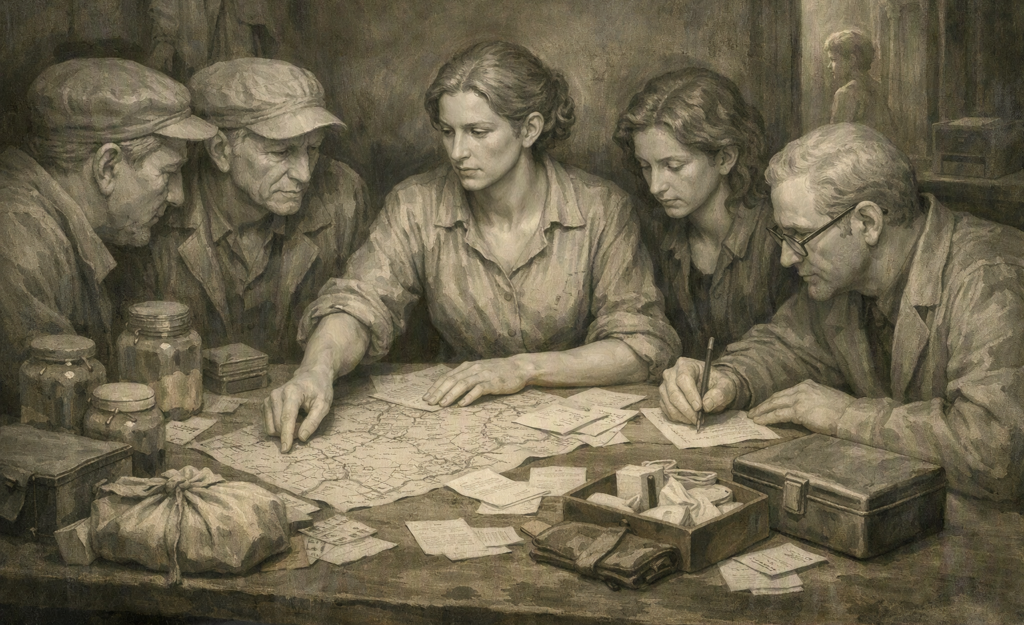
Figure 6. From Survival Back to Service
7. The Warsaw Uprising and the End of the War — Service in a Changing Crisis
Sendler’s wartime service extended beyond the rescue of Jewish children. During the Warsaw Uprising in 1944, she worked as a nurse with the Polish Red Cross at a medical facility.
Her wartime experience demonstrates another dimension of perseverance:
The specific form of service may change while the underlying commitment to helping others remains.
The responsible person does not always perform the same task.
Sometimes diligence means adapting one’s abilities to meet a new need.
Righteousness Principle
Perseverance is not rigidly repeating one action; it is remaining faithful to a worthy responsibility while adapting to changing circumstances.
Table 7. Adaptability in Service
| Changing Circumstance | Form of Service | Lesson |
|---|---|---|
| Ghetto deprivation | Social assistance | Respond to immediate needs |
| Child rescue | Underground rescue | Protect vulnerable lives |
| Arrest and persecution | Secret work | Adapt under danger |
| Warsaw Uprising | Medical assistance | Serve where needed |
| Postwar conditions | Child and family welfare | Continue serving after war |
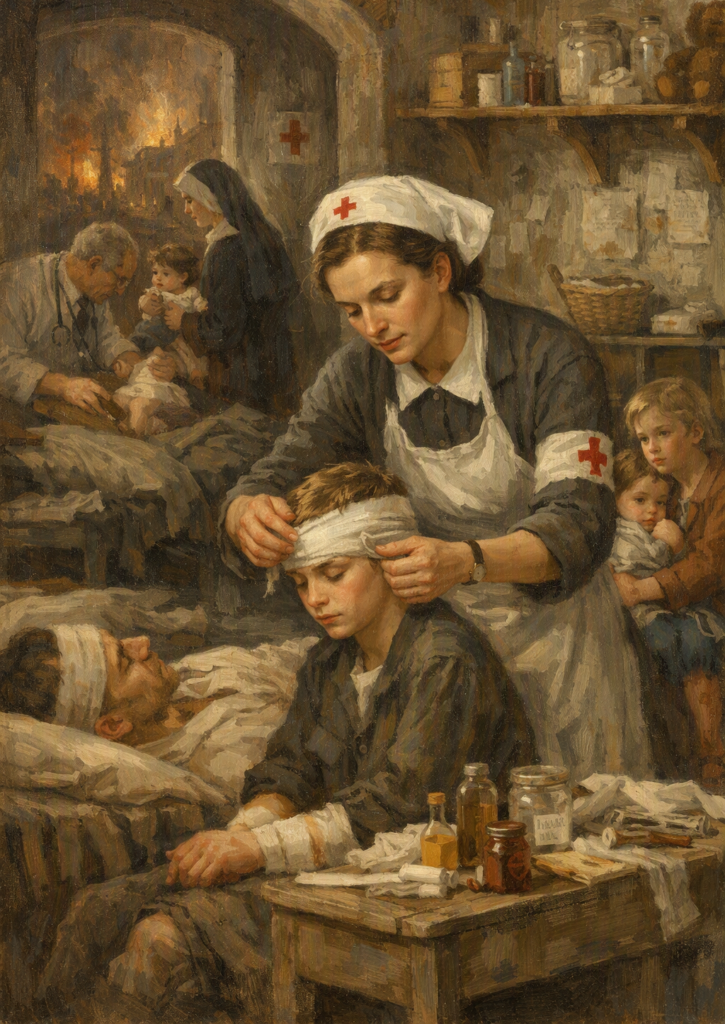
Figure 7. One Purpose, Many Forms of Service
8. After the War — Righteousness Beyond the Emergency
The end of World War II did not end Sendler’s concern for children and families.
After the war, she continued social work and became involved in efforts to assist children and families. Polish government sources document her postwar involvement in child welfare and the establishment of institutions serving mothers and children.
This is important because humanitarian responsibility should not be understood only as dramatic acts performed during a crisis.
A person may rescue someone from immediate danger today and then face the much quieter work of helping survivors rebuild their lives tomorrow.
Righteousness Principle
True service continues beyond the dramatic moment; rebuilding lives can require the same diligence as saving lives.
Table 8. From Rescue to Reconstruction
| Period | Responsibility | Diligence & Perseverance Lesson |
|---|---|---|
| Wartime | Protect lives | Courage |
| Immediate postwar period | Help children and families | Continuity |
| Social work | Address human needs | Service |
| Later life | Preserve memory and recognition | Remembrance |
| Legacy | Inspire future generations | Education |
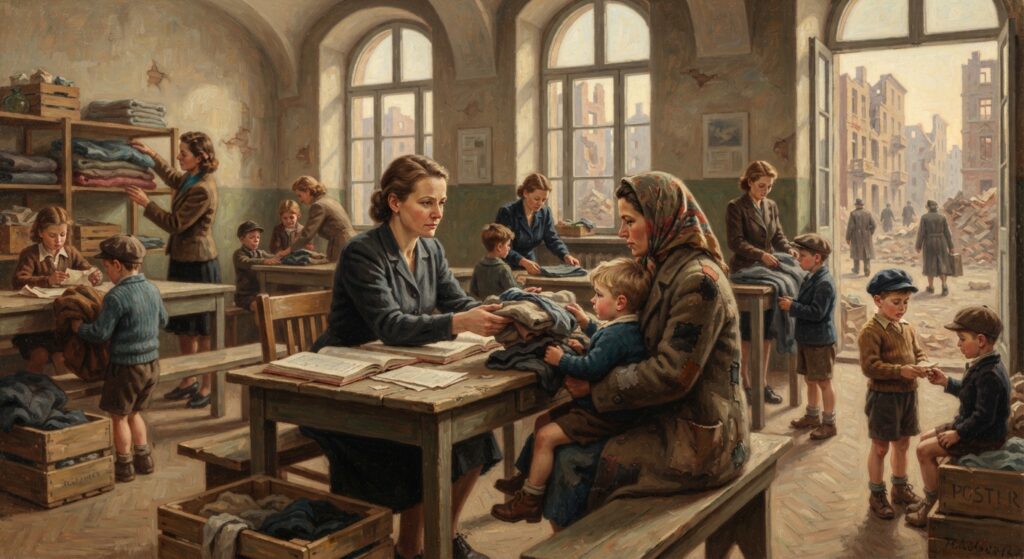
Figure 8. From Rescue to Reconstruction
9. Recognition — Righteousness Is Not Dependent on Immediate Recognition
Sendler’s work was not initially performed for public recognition.
In 1965, Yad Vashem recognized her as Righteous Among the Nations, an honor given to non-Jews who risked their lives to save Jews during the Holocaust. She was formally recognized on October 19, 1965.
The long delay between her wartime actions and formal recognition provides an important lesson about diligence.
A person may do something morally important without receiving immediate praise.
Recognition may come years later—or never.
Righteousness Principle
The value of responsible action should not depend entirely on whether others notice or reward it.
Table 9. Action Before Recognition
| Stage | Sendler’s Experience | Character Lesson |
|---|---|---|
| Rescue | Worked secretly | Serve without applause |
| Danger | Faced personal risk | Do what responsibility requires |
| Postwar years | Continued service | Do not depend on recognition |
| 1965 | Recognized by Yad Vashem | Recognition may come later |
| Legacy | Remembered internationally | Good work can influence future generations |
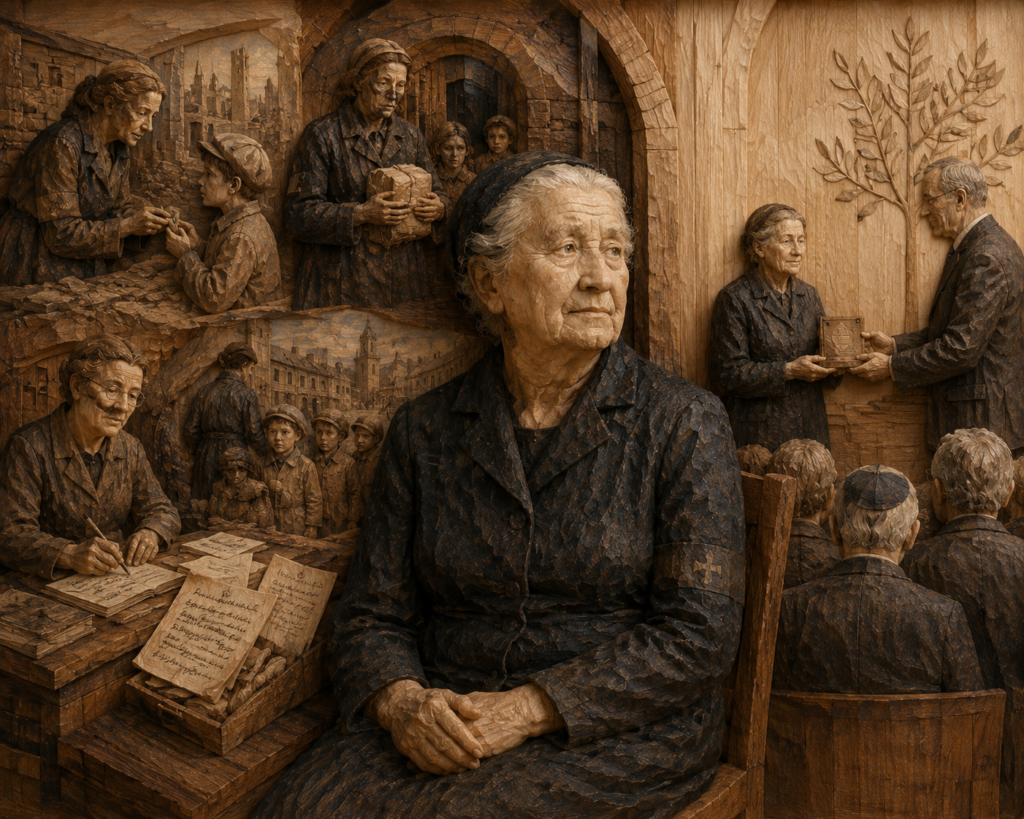
Figure 9. From Hidden Service to Public Recognition
10. Legacy — Diligence & Perseverance in Pursuing Righteousness
Irena Sendler died on May 12, 2008, in Warsaw. Her legacy remains associated with the rescue of Jewish children, humanitarian service, courage under Nazi persecution, and the moral responsibility to protect vulnerable human beings.
Her historical importance should not be reduced to a single number of children rescued. Yad Vashem specifically notes that the exact number of children rescued by Sendler and her partners is unknown. The historical record instead reveals a sustained network of rescue, documentation, protection, and continued service.
For the Diligence & Perseverance in Pursuing Righteousness Hall, this distinction is significant.
Sendler’s example asks visitors to consider not only:
“How brave was she?”
but also:
“What did she repeatedly do when helping others was difficult, dangerous, and unrewarded?”
Righteousness Principle
Righteousness can require repeated small acts of responsibility, sustained over time, especially when vulnerable people cannot protect themselves.
Table 10. The Irena Sendler Character Model
| No. | Life Dimension | Diligence | Perseverance | Connection to Pursuing Righteousness |
|---|---|---|---|---|
| 1 | Education | Developed knowledge | Continued learning | Preparation |
| 2 | Social work | Served vulnerable people | Continued service | Compassion |
| 3 | Warsaw Ghetto | Entered dangerous conditions | Returned repeatedly | Courage |
| 4 | Child rescue | Planned and coordinated | Continued rescue work | Protection |
| 5 | Documentation | Preserved identities | Maintained records under danger | Responsibility |
| 6 | Arrest | Protected information | Continued after release | Faithfulness |
| 7 | Postwar service | Helped children and families | Continued humanitarian work | Service |
| 8 | Legacy | Supported remembrance | Inspired future generations | Moral education |
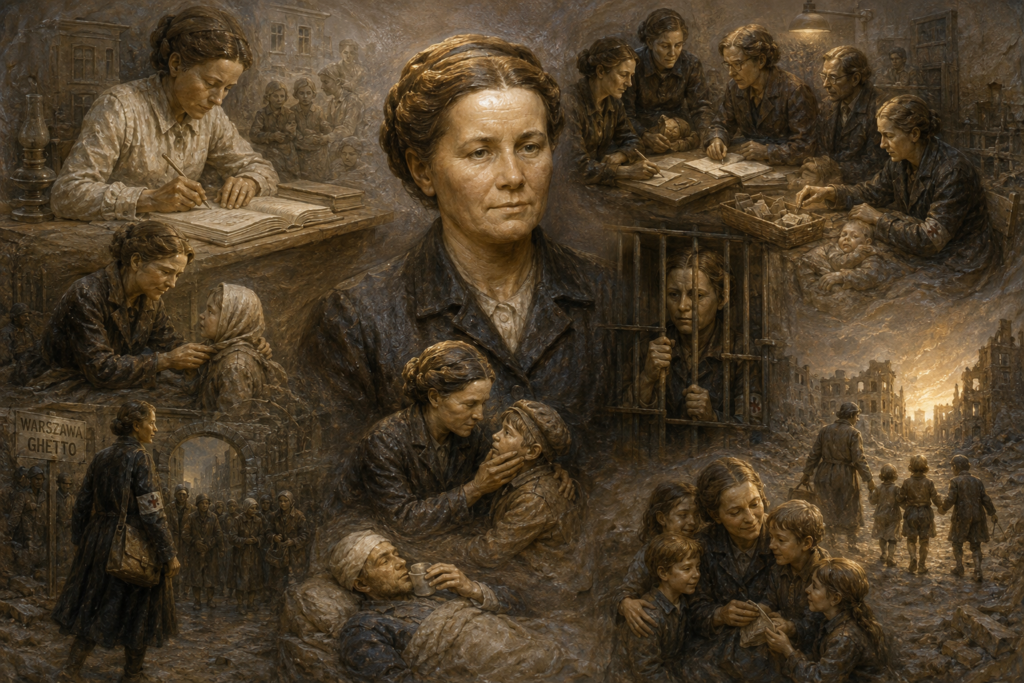
Figure 10. The Irena Sendler Character Model
11. From Sendler’s Life to Everyday Character
Irena Sendler’s circumstances were extraordinary.
Most people will never face the decision of whether to enter a Nazi-occupied ghetto to rescue a child.
But the underlying character decisions can still be practiced in ordinary life.
A student can practice diligence by:
- helping a classmate who is being excluded;
- completing an important task even when nobody is watching;
- preparing carefully before taking responsibility;
- protecting another person’s dignity;
- keeping a confidence when someone has entrusted information;
- continuing to help after the initial excitement disappears;
- standing up for someone who is being treated unfairly;
- using personal abilities to serve someone who needs help;
- refusing to remain indifferent when another person is suffering;
- continuing a worthwhile responsibility even without recognition.
These actions may appear small compared with Sendler’s wartime rescue work.
But character is developed through repeated decisions.
Righteousness Principle
Great acts of courage are often preceded by ordinary habits of responsibility, compassion, preparation, and perseverance.

Figure 11. From Sendler’s Example to Everyday Choices
12. The Sendler Lesson
Irena Sendler’s story can be understood as a progression:
Preparation → Compassion → Action → Organization → Rescue → Perseverance → Service → Legacy
Her life demonstrates that pursuing righteousness is not merely recognizing what is wrong.
It requires asking:
What can I responsibly do about it?
And then:
Will I continue doing it when it becomes difficult?
Sendler’s example also reveals that righteousness is rarely achieved by one person acting alone. Her rescue work depended upon networks of Jewish and Polish collaborators, institutions, families, religious communities, and other people willing to accept danger and responsibility.
Final Character Framework
Diligence prepares us to serve.
Compassion helps us recognize human need.
Courage moves us to act.
Perseverance keeps us responsible when danger continues.
Cooperation multiplies our ability to help others.
Righteousness directs our abilities toward protecting human dignity and life.
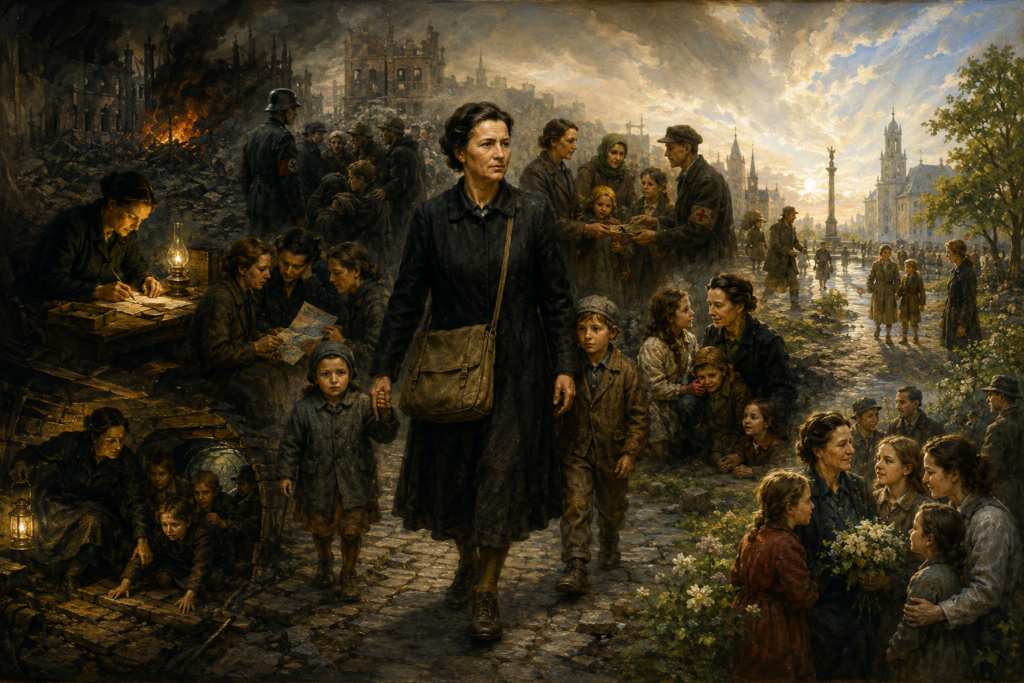
Figure 12. The Path of Diligence & Perseverance in Pursuing Righteousness
Curator’s Summary
Irena Sendler represents Diligence & Perseverance in Pursuing Righteousness not simply because she performed courageous acts during World War II, but because she repeatedly transformed professional skills, personal relationships, organizational abilities, and moral conviction into sustained service to people facing persecution.
Her work in the Warsaw Ghetto required preparation and persistence. Her participation in Żegota required cooperation and secrecy. Her rescue of Jewish children required repeated dangerous actions. Her coded documentation required careful attention to the future. Her arrest and torture tested her commitment under extreme pressure. Her continuation of underground activities after release demonstrated that perseverance did not end when she survived.
Her later humanitarian work demonstrates another important lesson:
Righteous service does not necessarily end when the immediate crisis ends.
For this museum hall, Sendler’s life provides a particularly powerful case because it connects diligence with responsibility, perseverance with courage, and righteousness with the protection of vulnerable human beings.
Her story also reminds visitors that heroic action is rarely an isolated event. It is often the result of preparation, relationships, cooperation, repeated decisions, and a willingness to accept responsibility.
Final Museum Message
See someone in need.
Prepare yourself to help.
Act with courage.
Protect human dignity.
Keep going when helping becomes difficult.
Work with others.
Do what is right—even when recognition may never come.
References
Institute of National Remembrance. (2022). Irena Sendlerowa (1910–2008).
Polish Ministry of National Education. (2018). 108. rocznica urodzin Ireny Sendlerowej.
United States Holocaust Memorial Museum. (n.d.). Irena Sendler (1910–2008).
United States Holocaust Memorial Museum. (n.d.). Ona Simaite, Joop Westerweel, Irena Sendler. Holocaust Encyclopedia.
United States Holocaust Memorial Museum. (n.d.). The Council for Aid to Jews: Żegota. Holocaust Encyclopedia.
Yad Vashem. (n.d.). Irena Sendler.
Yad Vashem. (n.d.). Sendler Irena (Krzyżanowska). The Righteous Among the Nations Database.
Learn Test-Prep Methods
SAT-Style Questions, Strategies, and Critical Thinking
Education Game
Turn Historical Stories into Challenges, Decisions, and Learning
Learn How to Learn from Irena Sendler
Five Ways to Study History, Discover Character, and Apply What You Learn