
Historical Righteous Innovations
This category examines key moments in history when creative and courageous moral actions—Righteous Innovations— reshaped institutions, norms, and the direction of society.
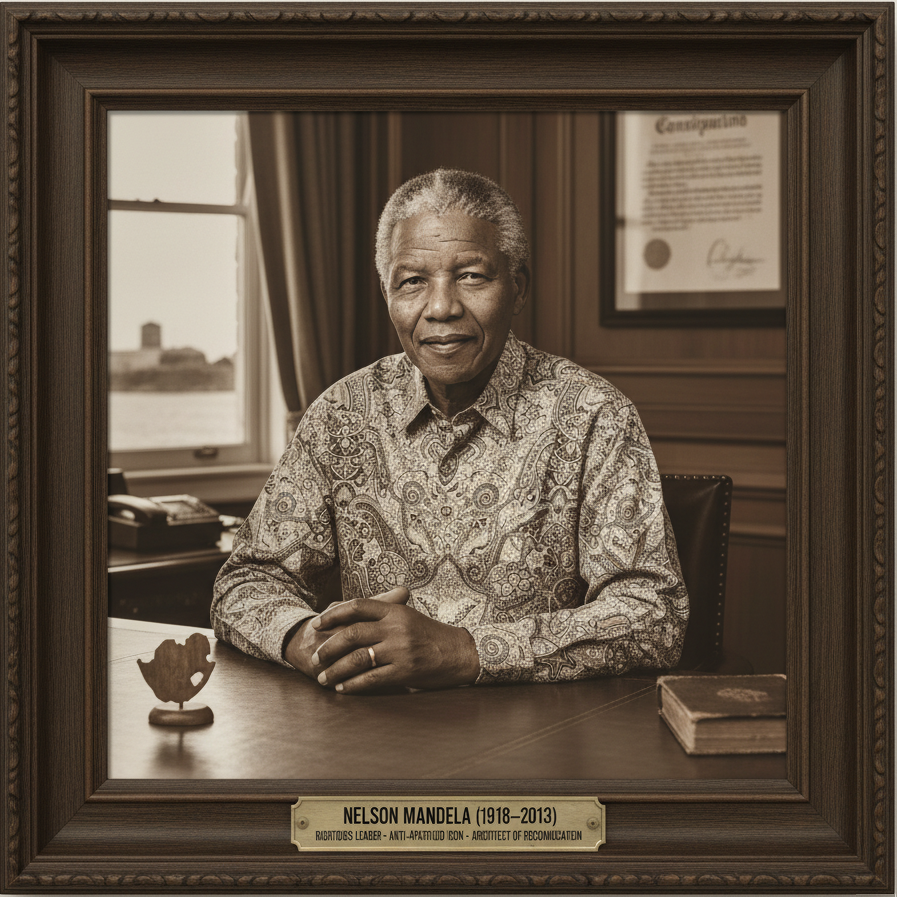
Democratic Transition and Reconciliation (South Africa) (1994)
The peaceful transition to democracy in South Africa in 1994, guided by Nelson Mandela, represents a profound righteous innovation in political reconciliation and nation-building.
Righteous Innovation
Following decades of institutionalized racial segregation under Apartheid, South Africa transitioned to majority rule without large-scale civil war or retribution.
Instead of pursuing revenge, Mandela and other leaders promoted a path of reconciliation, forgiveness, and inclusive democracy.
This approach emphasized healing a divided society while building a new political system based on equal rights.
Why It Was Innovative
This transition introduced a new model for resolving deep national conflict:
- Replacing revenge with reconciliation
- Building unity through forgiveness and dialogue
- Establishing democracy without widespread violent upheaval
In a context where many expected retaliation or prolonged conflict, this approach redefined how societies can move beyond systemic injustice.
Impact and Influence
The transition led to the country’s first multiracial democratic elections in 1994, marking the official end of apartheid.
It also led to the creation of the Truth and Reconciliation Commission, which sought to uncover past abuses while promoting national healing.
South Africa’s model influenced other nations facing internal conflict, demonstrating that peaceful transformation is possible even after long periods of injustice.
Legacy of the Innovation
The South African transition remains one of the most powerful examples of righteous innovation in modern history.
It showed that justice and peace can be pursued together, and that moral leadership can guide nations through profound change without resorting to violence.
References
Mandela, N. (1994). Long walk to freedom. Little, Brown and Company.
Tutu, D. (1999). No future without forgiveness. Doubleday.
Sparks, A. (1995). Tomorrow is another country. University of Chicago Press.