
From: The Odyssey (c. 8th century BCE) by Homer (Greece)
Literary Figures of Righteousness Hall — Righteous Museum
Odysseus, Penelope, Telemachus, Eumaeus, Athena — The Righteous Company
Exhibition Theme: Righteousness in Adversity, Temptation, and Judgment
Core Narrative: From personal righteousness to the restoration of social justice
Foreword
“The Odyssey is not only a foundational work of Western literature but also an epic about righteousness. The hero Odysseus’ journey home is essentially a narrative of righteousness conceived in suffering, sustained in temptation, and manifested in judgment. This exhibition presents six galleries containing fifteen individual exhibits, organized to guide visitors through a complete narrative of justice.”
Exhibition Navigation
Table 1 — Gallery and Exhibit Overview
Table Title: Table 1 — Gallery and Exhibit Overview
Table Description: This table provides a complete hierarchical overview of all six galleries and their constituent exhibits, including the righteousness dimension addressed in each.
| Gallery | Exhibit | Title | Righteousness Dimension |
|---|---|---|---|
| Gallery 1 | 1.1 | Ithaca Palace Scene | Foundation – Family & Duty |
| Gallery 1 | 1.2 | Odysseus’ Departure for Troy | Foundation – Leaving for a Just Cause |
| Gallery 2 | 2.1 | The Cave of the Cyclops | Resisting Oppression |
| Gallery 2 | 2.2 | The Escape Plan – Wisdom Over Might | Cunning as a Tool of Justice |
| Gallery 3 | 3.1 | Calypso’s Island | Temptation and Testing |
| Gallery 3 | 3.2 | The Choice – Immortality or Home | Duty Above Personal Gain |
| Gallery 4 | 4.1 | The Archery Contest | Justice Prepared |
| Gallery 4 | 4.2 | The Slaying of the Suitors | Judgment Executed |
| Gallery 4 | 4.3 | Reward and Punishment | Accountability |
| Gallery 5 | 5.1 | Penelope – The Weaver of Justice | Female Wisdom & Perseverance |
| Gallery 5 | 5.2 | Telemachus – The Awakening | Young Generation’s Call |
| Gallery 5 | 5.3 | Eumaeus – Faithful in Humility | Loyalty of the Humble |
| Gallery 5 | 5.4 | Athena – The Divine Guardian | Transcendent Justice |
| Gallery 6 | 6.1 | The Reunion of Odysseus and Penelope | Restoration & Peace |
| Gallery 6 | 6.2 | Peace Restored – The End of Suffering | The Fruit of Righteousness |
Gallery 1: The Foundation of Righteousness
Gallery Description: This gallery establishes the home and family that form the foundation of Odysseus’ righteous journey. The palace of Ithaca represents order, stability, and the values that Odysseus fights to protect.
Exhibit 1.1: Ithaca Palace Scene
Exhibit Code: G1-E1.1
Description: This exhibit recreates the palace of Odysseus on Ithaca — the home he left behind and the sacred space he fights to reclaim. The palace symbolizes order, family, and the moral center of the Odyssey.
Key Themes: Home, family, duty, order
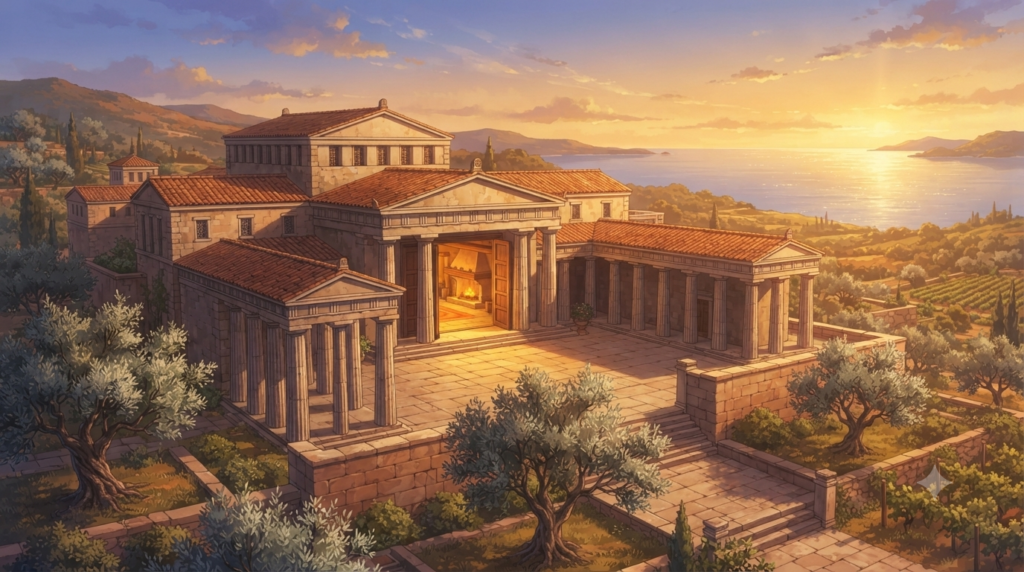
Figure 1.1 — Ithaca Palace: The Sacred Home
Figure Description: This figure depicts the grandeur of Odysseus’ palace on Ithaca, with its great hall, courtyard, and the throne room where Penelope weaves her tapestry.
Exhibit 1.2: Odysseus’ Departure for Troy
Exhibit Code: G1-E1.2
Description: This exhibit captures the moment Odysseus leaves Ithaca to join the Greek forces at Troy — a departure motivated by duty and honor. He leaves behind his infant son Telemachus and his beloved wife Penelope, knowing the journey may cost him his life.
Key Themes: Sacrifice, duty, answering the call of justice
Exhibit Quote:
“A righteous man leaves his home not to abandon it, but to defend what makes it worth returning to.”
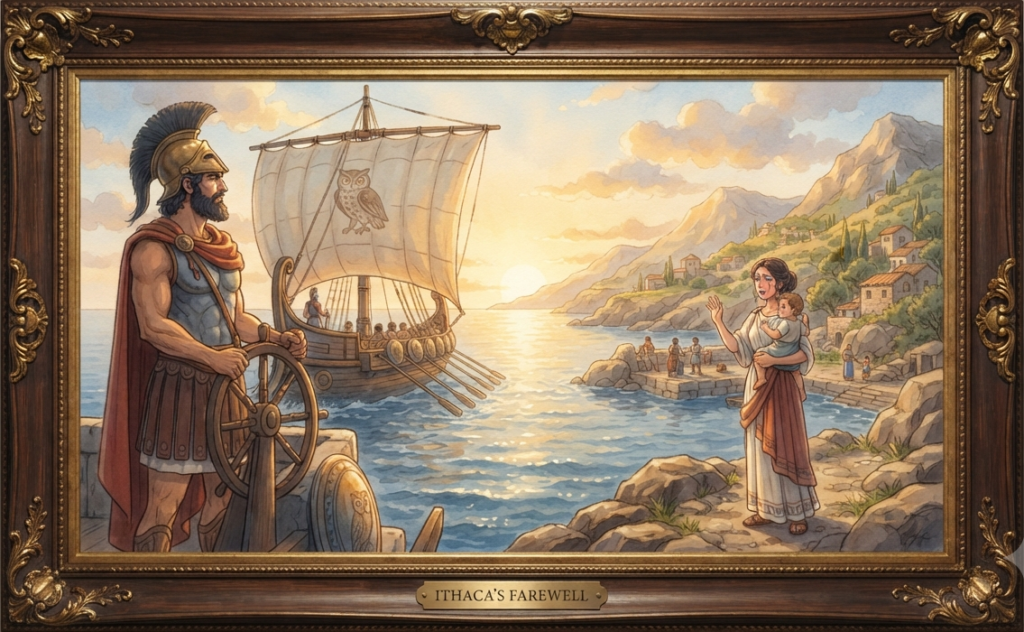
Figure 1.2 — The Departure: Setting Sail for Troy
Figure Description: This figure shows Odysseus’ ship departing from Ithaca, with Penelope and infant Telemachus watching from the shore.
Gallery 2: Righteousness in Adversity
Gallery Description: This gallery explores how righteousness is forged in the face of overwhelming opposition. Odysseus and his men face monstrous forces that cannot be overcome by strength alone.
Exhibit 2.1: The Cave of the Cyclops
Exhibit Code: G2-E2.1
Description: Odysseus and his crew are trapped in the cave of the Cyclops Polyphemus. The giant, who has no regard for hospitality or justice, devours the men one by one. This exhibit explores the theme of righteous resistance against brutal oppression.
Key Themes: Oppression, courage, resistance
Exhibit Quote:
“In the belly of injustice, the righteous still find their voice.”
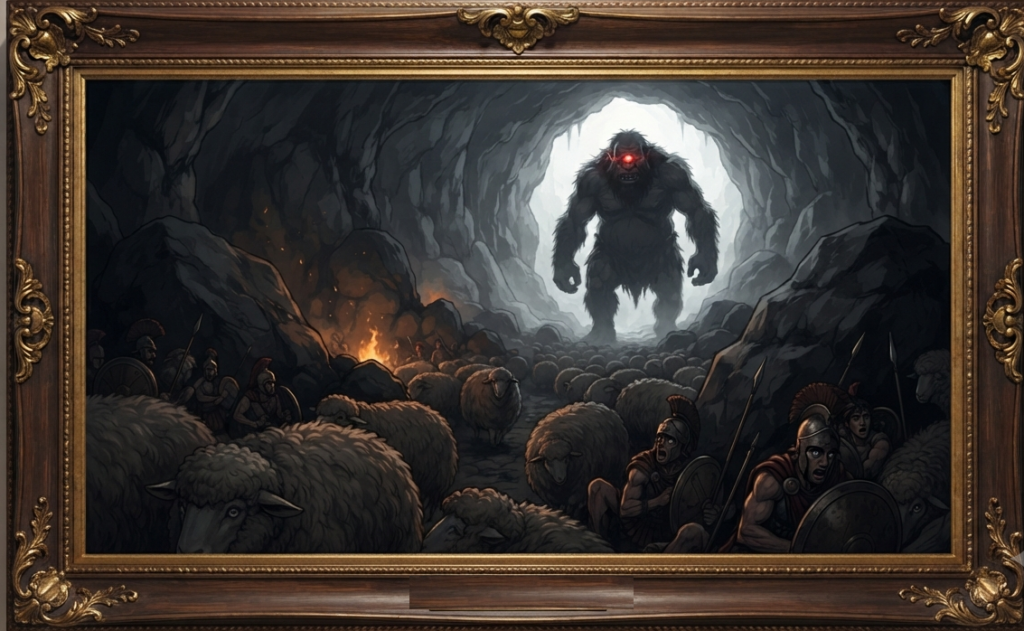
Figure 2.1 — The Cyclops’ Cave: The Trap
Figure Description: This figure depicts the interior of the Cyclops’ cave, with the giant returning with his flock and Odysseus’ men cowering in the shadows.
Exhibit 2.2: The Escape Plan – Wisdom Over Might
Exhibit Code: G2-E2.2
Description: After losing several men to the giant, Odysseus devises a plan. He offers the Cyclops wine, gets him drunk, and then drives a burning stake into his single eye. He and his remaining men escape by clinging to the bellies of the giant’s sheep. This exhibit highlights the righteousness of using wisdom and cunning against brute force.
Key Themes: Wisdom, cunning, victory of the weak
Exhibit Quote:
“When strength is uneven, righteousness does not need a bigger fist — only a sharper mind.”
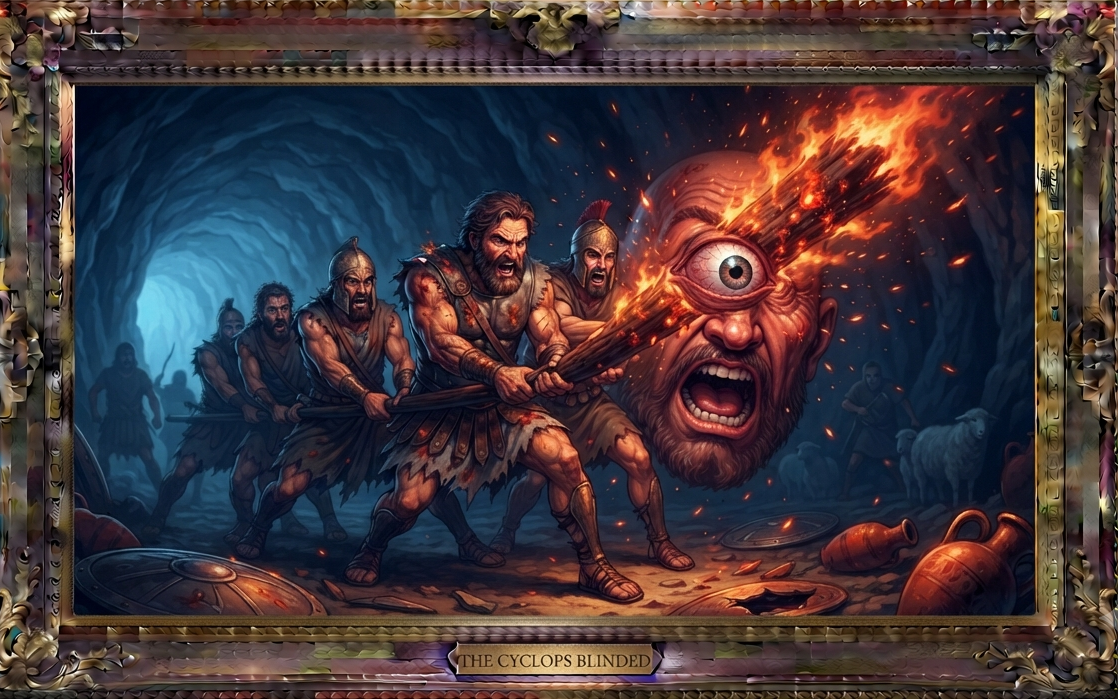
Figure 2.2 — The Escape: Blinding the Cyclops
Figure Description: This figure shows the climax of the escape — Odysseus and his men driving the burning stake into the Cyclops’ eye.
Gallery 3: Righteousness over Temptation
Gallery Description: This gallery explores the theme of resisting temptation — the moment when personal gain is offered in exchange for abandoning one’s righteous path.
Exhibit 3.1: Calypso’s Island
Exhibit Code: G3-E3.1
Description: The goddess Calypso has detained Odysseus on her island for seven years, offering him eternal youth and immortality if he stays. This exhibit presents the setting of temptation — a paradise that feels like home but is actually a prison.
Key Themes: Temptation, illusion, the cost of comfort
Exhibit Quote:
“The most dangerous prison is the one that feels like paradise.”
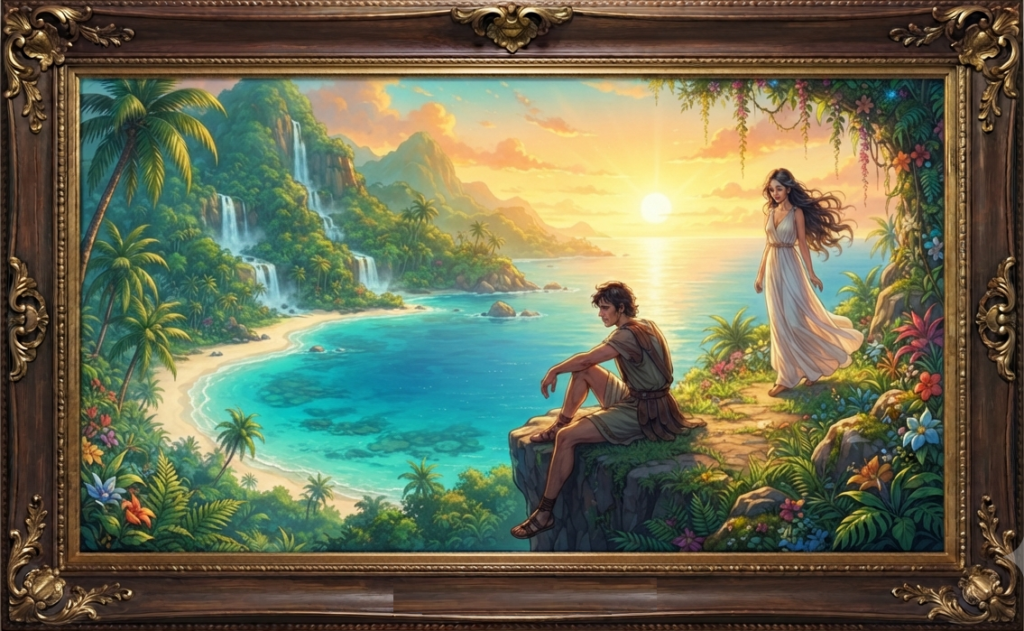
Figure 3.1 — Calypso’s Island: Paradise Prison
Figure Description: This figure depicts Calypso’s lush island — a place of unparalleled beauty that is also a trap.
Exhibit 3.2: The Choice – Immortality or Home
Exhibit Code: G3-E3.2
Description: This exhibit presents the moment of decision — Calypso offers Odysseus the choice between eternal life and returning to his mortal wife and home. He chooses home. This is the ultimate expression of righteousness over selfish desire.
Key Themes: Duty, sacrifice, right choice
Exhibit Quote:
“Odysseus refused immortality because he knew that immortality without righteousness is meaningless.”
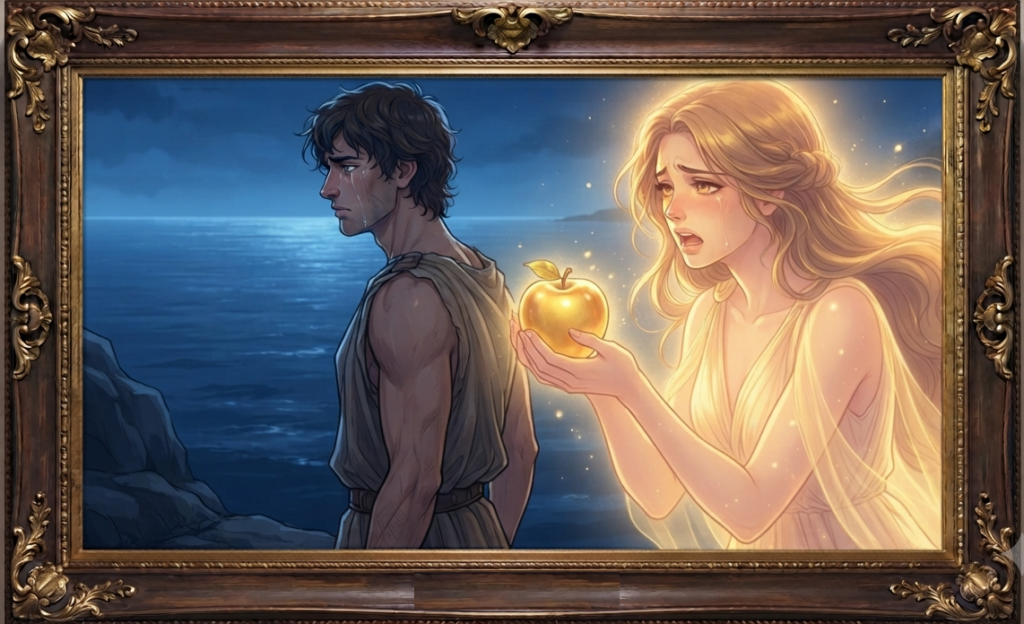
Figure 3.2 — The Choice: Refusing the Golden Apple
Figure Description: This figure shows the pivotal moment — Calypso offering the golden apple of immortality, and Odysseus turning away.
Gallery 4: The Judgment of Righteousness
Gallery Description: This gallery presents the climax of the Odyssey — the return of Odysseus to Ithaca, the confrontation with the suitors, and the execution of judgment. It explores themes of accountability, reward, and punishment.
Exhibit 4.1: The Archery Contest
Exhibit Code: G4-E4.1
Description: Odysseus returns disguised as a beggar. Penelope proposes an archery contest — whoever can string Odysseus’ bow and shoot an arrow through twelve axe‑heads will win her hand. Only Odysseus can do it. This exhibit presents the preparation for judgment.
Key Themes: Divine right, preparation, hidden strength
Exhibit Quote:
“Justice is not impulsive — it is prepared.”

Figure 4.1 — The Bow of Odysseus: The Contest Begins
Figure Description: This figure depicts the great hall during the archery contest, with the suitors failing and Odysseus preparing to take his turn.
Exhibit 4.2: The Slaying of the Suitors
Exhibit Code: G4-E4.2
Description: Odysseus strings the bow, shoots through the axe‑heads, and then — together with Telemachus and two loyal servants — he turns the bow on the suitors. The hall becomes a battlefield. This is the execution of righteous judgment.
Key Themes: Judgment, justice, punishment
Exhibit Quote:
“It is not anger that kills — it is righteousness speaking.”
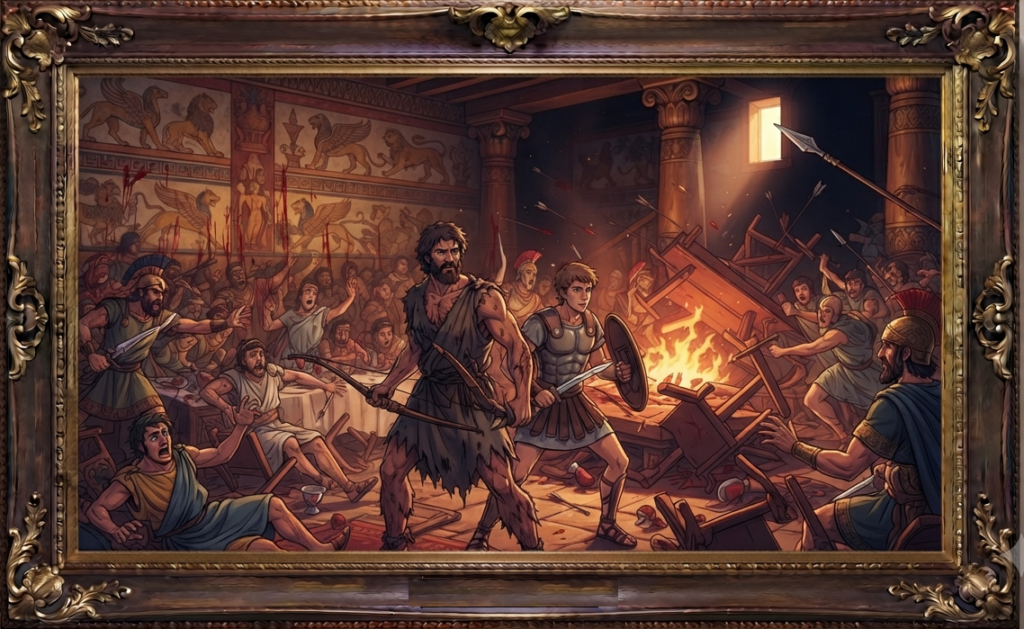
Figure 4.2 — The Slaying: Justice Unleashed
Figure Description: This figure shows the action of the slaughter — arrows flying, suitors falling, Odysseus and Telemachus fighting side by side.
Exhibit 4.3: Reward and Punishment
Exhibit Code: G4-E4.3
Description: After the battle, Odysseus judges those who remained in his house. The faithful swineherd Eumaeus is rewarded; the disloyal maids who fraternized with the suitors are executed. This exhibit explores the theme of accountability and the righteousness of reward and punishment.
Key Themes: Accountability, reward, punishment, justice
Exhibit Quote:
“In the house of the righteous, loyalty is crowned and treachery is unmasked.”
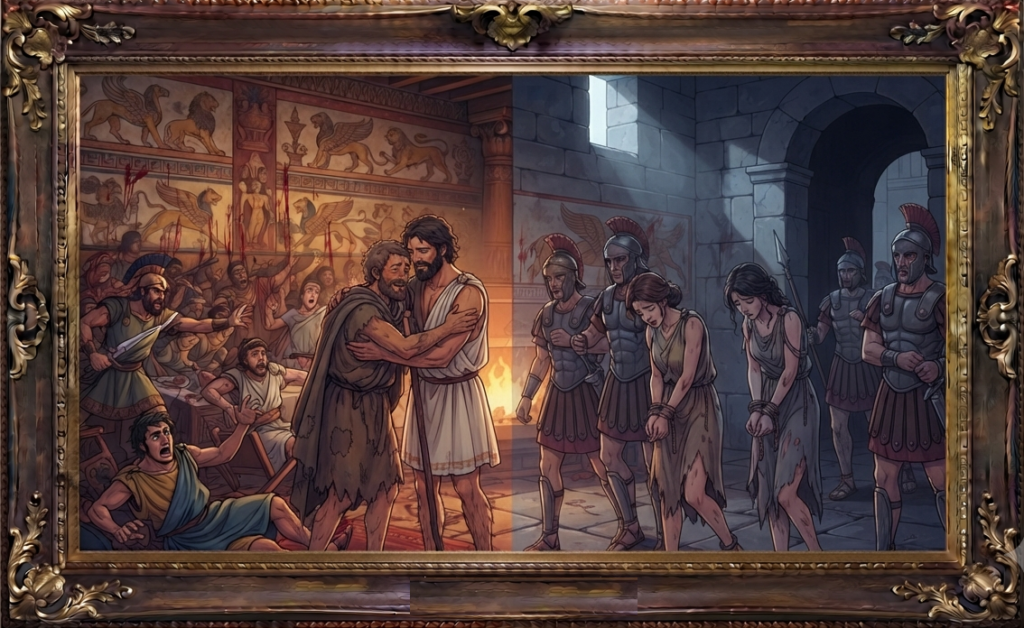
Figure 4.3 — Judgment: Reward and Punishment
Figure Description: This figure shows the judgment scene — the faithful servant Eumaeus being rewarded while the disloyal maids face punishment.
Gallery 5: Portraits of the Righteous
Gallery Description: This gallery presents the individuals who embody righteousness in the Odyssey — not just the hero but the people around him who uphold justice in their own ways.
Exhibit 5.1: Penelope – The Weaver of Justice
Exhibit Code: G5-E5.1
Description: Penelope has waited twenty years for Odysseus. To delay the suitors, she weaves a funeral shroud by day and unravels it by night. Her patience and intelligence represent the quiet strength of righteousness.
Key Themes: Patience, intelligence, faithfulness
Exhibit Quote:
“Penelope’s loom did not weave cloth — it wove twenty years of justice.”
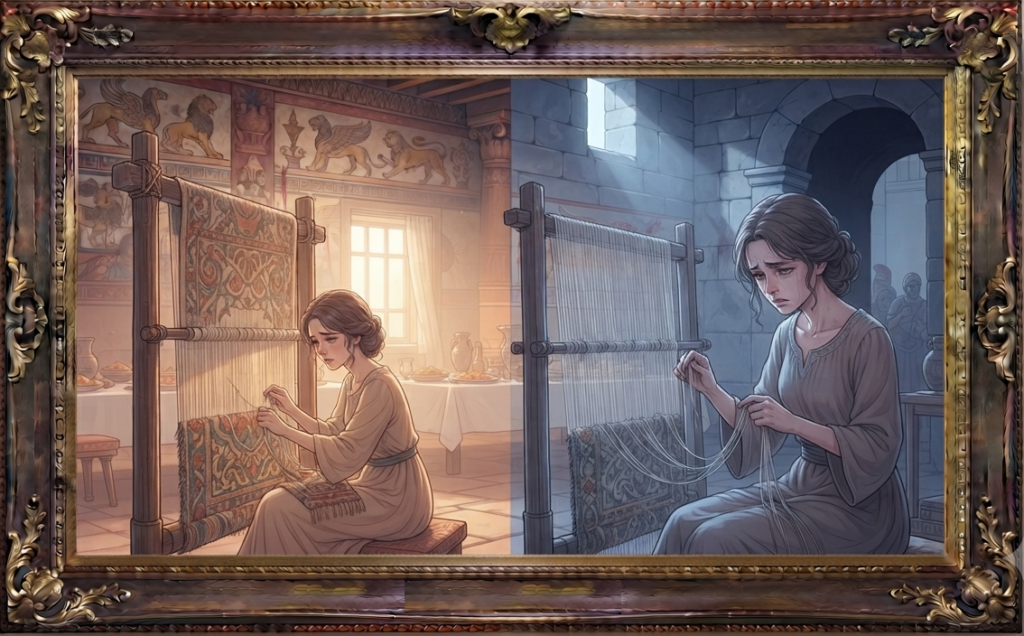
Figure 5.1 — Penelope: The Weaver
Figure Description: This figure shows Penelope at her loom, weaving by day and unraveling by night, with the passage of time represented visually.
Exhibit 5.2: Telemachus – The Awakening
Exhibit Code: G5-E5.2
Description: Telemachus starts as a passive young man watching his home be destroyed. Athena inspires him to sail in search of his father. This journey transforms him from boy to warrior.
Key Themes: Growth, courage, awakening
Exhibit Quote:
“Telemachus’ journey is the journey from boy to son of justice.”
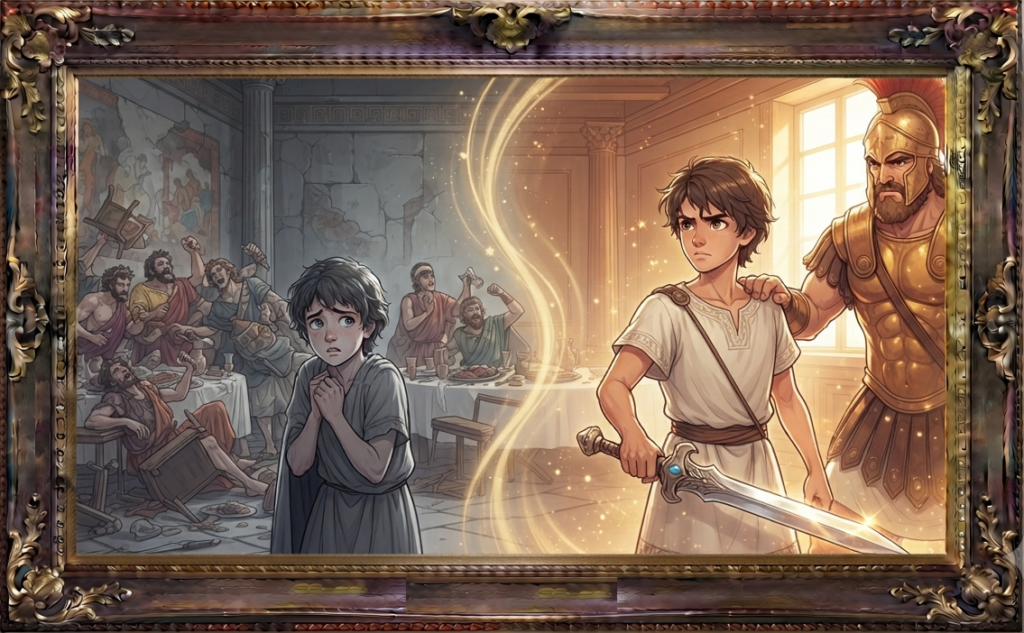
Figure 5.2 — Telemachus: The Awakening
Figure Description: This figure shows Telemachus’ transformation — from boy at the start to warrior at the end.
Exhibit 5.3: Eumaeus – Faithful in Humility
Exhibit Code: G5-E5.3
Description: Eumaeus, the swineherd, remains faithful to Odysseus throughout twenty years. He welcomes the disguised Odysseus into his humble hut and treats him with kindness, not knowing he is entertaining his master.
Key Themes: Humility, faithfulness, hidden virtue
Exhibit Quote:
“The faithful swineherd received a reward more precious than any palace — the trust of a righteous master.”
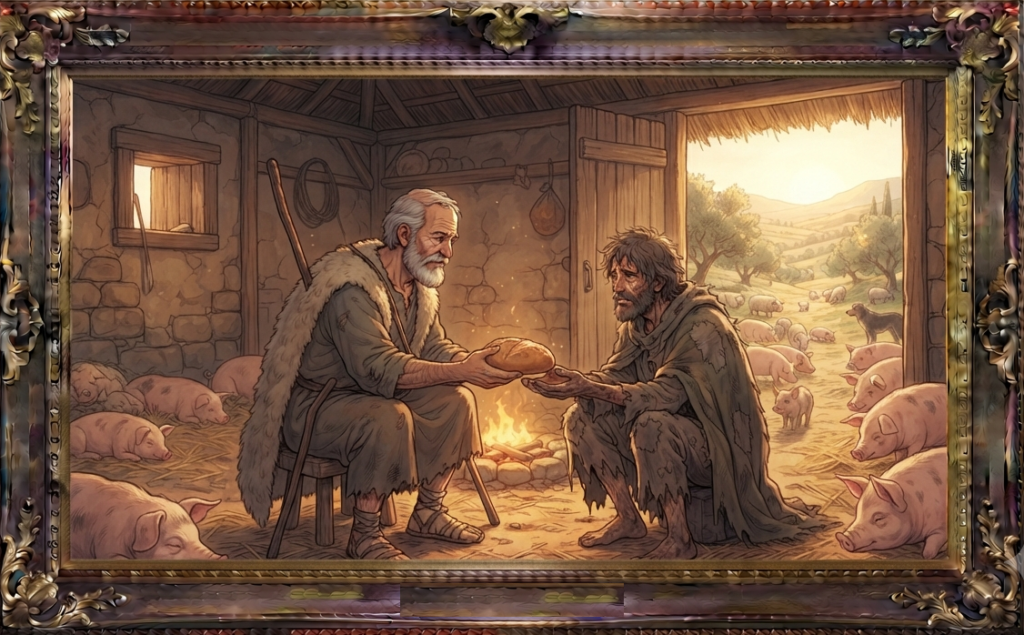
Figure 5.3 — Eumaeus: Faithful Servant
Figure Description: This figure shows Eumaeus welcoming the disguised Odysseus into his simple hut.
Exhibit 5.4: Athena – The Divine Guardian
Exhibit Code: G5-E5.4
Description: Athena, goddess of wisdom, is the protector of Odysseus and the champion of justice throughout the epic. She guides, inspires, and fights alongside the righteous.
Key Themes: Divine justice, protection, wisdom
Exhibit Quote:
“Athena’s olive branch never leaves the side of the just.”
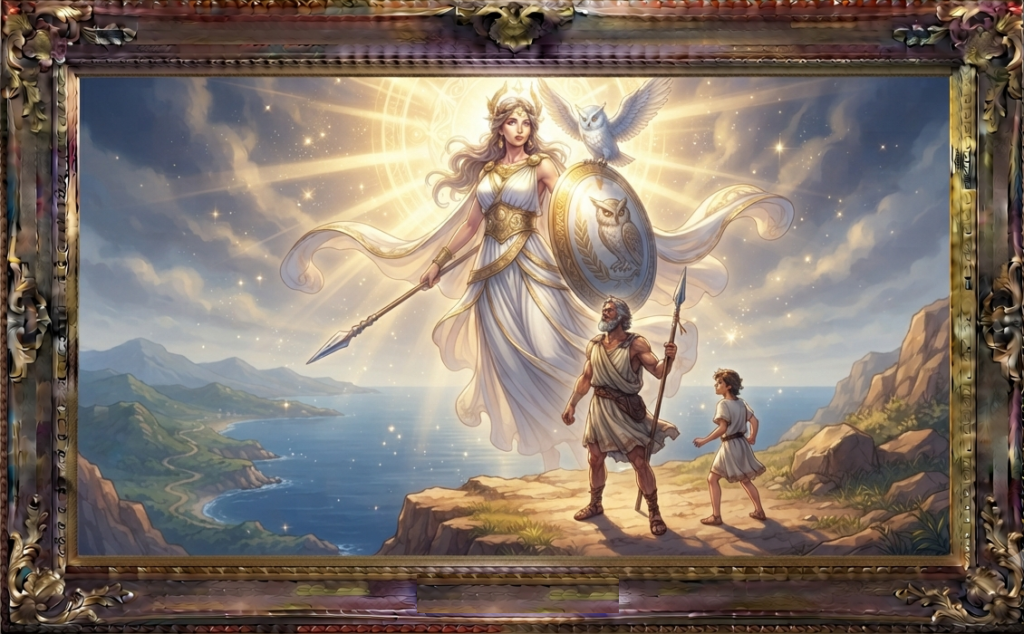
Figure 5.4 — Athena: Guardian of the Just
Figure Description: This figure shows Athena as a majestic, protective figure overlooking the heroes she champions.
Gallery 6: The Victory of Righteousness
Gallery Description: The final gallery presents the restoration of peace — the reunion of Odysseus with Penelope and the healing of Ithaca.
Exhibit 6.1: The Reunion of Odysseus and Penelope
Exhibit Code: G6-E6.1
Description: After twenty years apart, Odysseus and Penelope are finally reunited. This exhibit presents the emotional climax of the epic.
Key Themes: Restoration, love, endurance
Exhibit Quote:
“Twenty years of waiting end in a single embrace.”
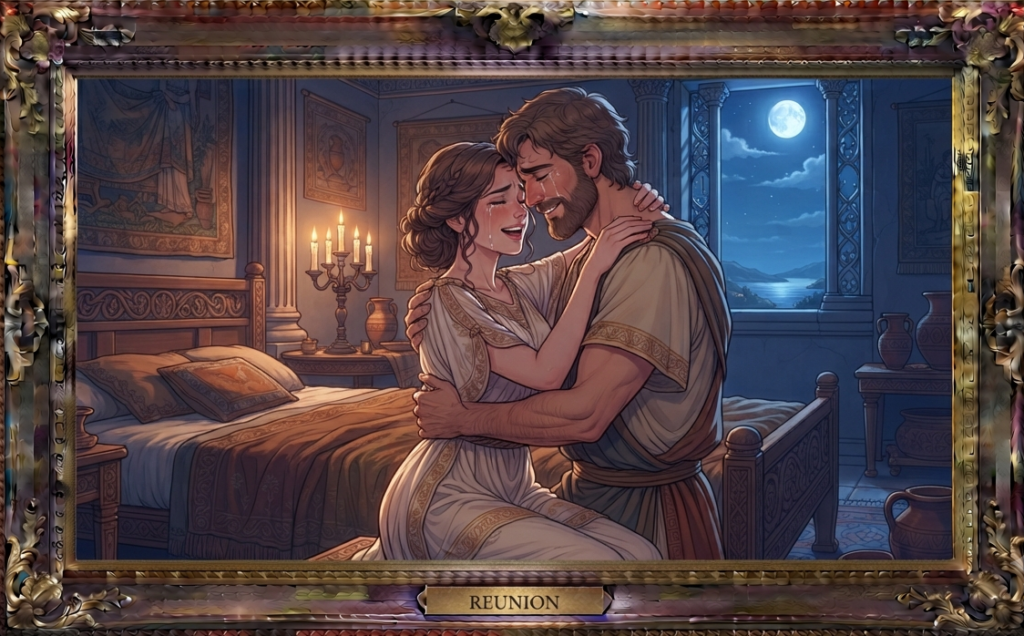
Figure 6.1 — The Reunion: Love Restored
Figure Description: This figure shows the intimate reunion of Odysseus and Penelope.
Exhibit 6.2: Peace Restored – The End of Suffering
Exhibit Code: G6-E6.2
Description: With the suitors gone, the household restored, and the family reunited, Ithaca enters a new era of peace. The hero has returned; order is reestablished. This final exhibit celebrates the fruit of righteousness.
Key Themes: Peace, restoration, justice achieved
Exhibit Quote:
“Righteousness is not merely the act of judgment — it is the peace that follows.”
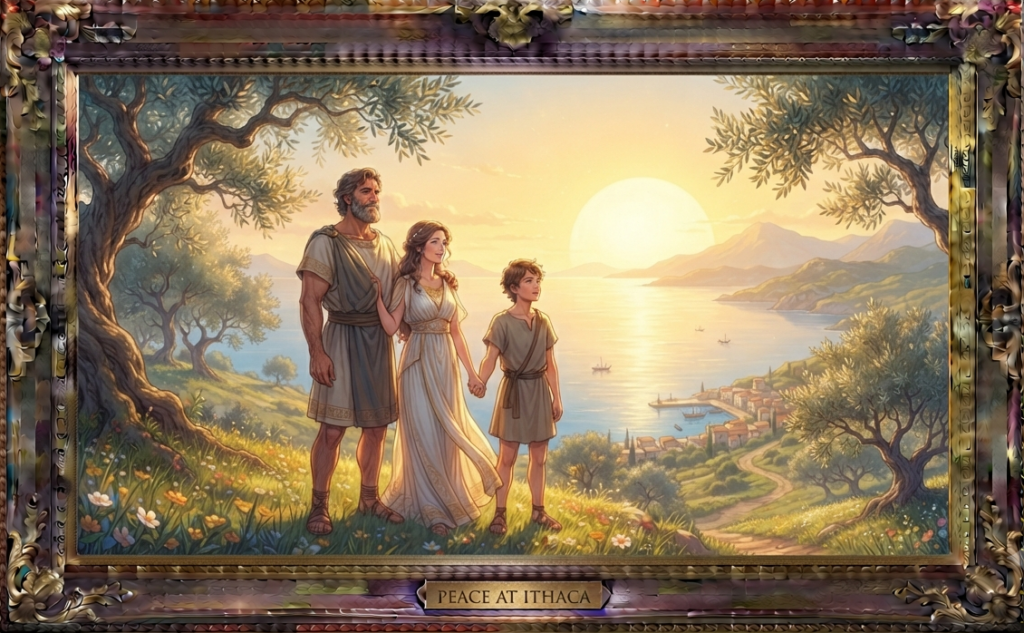
Figure 6.2 — Peace: The End of Suffering
Figure Description: This figure shows the peaceful restoration of Ithaca, with Odysseus, Penelope, and Telemachus together, looking toward a bright future.
Reflection — What Can We Learn?
The Righteous Odyssey Exhibition tells one story with many faces of righteousness. As you leave this exhibition, here are three questions to carry with you:
- When have you faced a “Cyclops” moment?
A situation where you felt trapped, outnumbered, or powerless. How did you respond? Did you rely on strength alone, or did you find a creative way forward? - What “island” is holding you captive?
Like Calypso’s paradise, some comforts are prisons in disguise. What is keeping you from your true home, your true purpose, your true self? - Where is your Ithaca?
What is the one place, person, or duty you would endure anything to return to? That is your sacred ground. Guard it with a righteous heart.
“Righteousness is not one act but many faithful souls working together — in endurance, in patience, in courage, in loyalty, and in divine justice. The Odyssey reminds us that the journey home is always a righteous journey.”
Summary of Core Righteousness Themes
Table 2 — Core Themes and Corresponding Galleries
Table Title: Table 2 — Core Themes and Corresponding Galleries
Table Description: This table systematically outlines the six core righteousness themes in the Odyssey and maps each to the relevant galleries and exhibits.
| Theme | Expression | Galleries |
|---|---|---|
| Family Righteousness | Odysseus’ devotion to wife, son, and home | Gallery 1, Gallery 6 |
| Resisting Oppression | Standing against tyranny and brutality | Gallery 2 |
| Resisting Temptation | Choosing duty over personal gain | Gallery 3 |
| Judgment Righteousness | Holding the wicked accountable | Gallery 4 |
| Faithfulness Righteousness | Loyalty in all circumstances | Gallery 5 |
| Restorative Righteousness | Justice brings peace and renewal | Gallery 6 |
Appendix: Exhibit Index
Table 3 — Complete Exhibit Index
Table Title: Table 3 — Complete Exhibit Index
Table Description: This table lists all fifteen exhibits in alphanumeric order, with gallery location and type, for easy reference.
| Code | Exhibit Title | Gallery | Type |
|---|---|---|---|
| G1-E1.1 | Ithaca Palace Scene | Gallery 1 | Foundation |
| G1-E1.2 | Odysseus’ Departure for Troy | Gallery 1 | Foundation |
| G2-E2.1 | The Cave of the Cyclops | Gallery 2 | Adversity |
| G2-E2.2 | The Escape Plan – Wisdom Over Might | Gallery 2 | Adversity |
| G3-E3.1 | Calypso’s Island | Gallery 3 | Temptation |
| G3-E3.2 | The Choice – Immortality or Home | Gallery 3 | Temptation |
| G4-E4.1 | The Archery Contest | Gallery 4 | Judgment |
| G4-E4.2 | The Slaying of the Suitors | Gallery 4 | Judgment |
| G4-E4.3 | Reward and Punishment | Gallery 4 | Judgment |
| G5-E5.1 | Penelope – The Weaver of Justice | Gallery 5 | Portraits |
| G5-E5.2 | Telemachus – The Awakening | Gallery 5 | Portraits |
| G5-E5.3 | Eumaeus – Faithful in Humility | Gallery 5 | Portraits |
| G5-E5.4 | Athena – The Divine Guardian | Gallery 5 | Portraits |
| G6-E6.1 | The Reunion of Odysseus and Penelope | Gallery 6 | Victory |
| G6-E6.2 | Peace Restored – The End of Suffering | Gallery 6 | Victory |
References
Primary Text
Homer. (1996). The Odyssey (R. Fagles, Trans.). Penguin Classics. (Original work composed c. 8th century BCE)
Homer. (1919). The Odyssey (A. T. Murray, Trans.). Harvard University Press. (Original work composed c. 8th century BCE)
Scholarly Works
Knox, B. M. W. (1996). Introduction. In The Odyssey (R. Fagles, Trans., pp. 3–64). Penguin Classics.
Segal, C. (1994). Singers, heroes, and gods in the Odyssey. Cornell University Press.
Vernant, J. P. (1991). Mortals and immortals: Collected essays. Princeton University Press.
Literary Criticism
Foley, H. P. (1978). “Reverse similes” and sex roles in the Odyssey. Arethusa, 11(1), 7–26.
Gould, T. (1983). The philosophy of the Odyssey. In C. A. Rubino & C. W. Shelmerdine (Eds.), Approaches to Homer (pp. 119–137). University of Texas Press.
Ethics and Justice
Nussbaum, M. C. (1995). Poetic justice: The literary imagination and public life. Beacon Press.
MacIntyre, A. (1981). After virtue: A study in moral theory. University of Notre Dame Press.