
Sun Yat-sen – China (1866-1925)
The Visionary Founder of Modern China
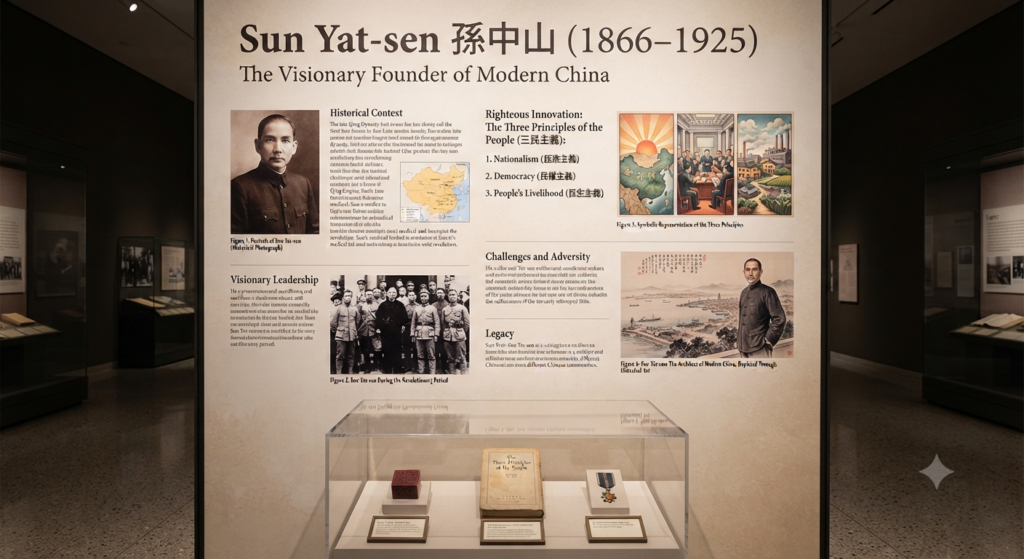
Figure 1. Sun Yat-sen: Formative Years and the Revolutionary Path
Sun Yat-sen (孫中山), also known as Sun Yixian (孫逸仙) and Sun Wen (孫文), was a physician, revolutionary leader, political thinker, and one of the most influential figures in modern Chinese history. He played a central role in the transformation of China from imperial rule toward a republican system and is widely recognized for his dedication to national renewal, social reform, and public service.
Sun’s lifelong pursuit was shaped by his belief that a nation could be strengthened through modernization, education, civic participation, and responsible leadership. Through years of political struggle, exile, and personal sacrifice, he developed and promoted ideas that influenced generations of Chinese people and contributed to one of the most significant political transformations of the twentieth century.
Although his political legacy has been interpreted differently across various societies, Sun Yat-sen remains a historical figure associated with vision, perseverance, and the pursuit of a better future for his country.
Historical Context
Sun Yat-sen lived during a period of dramatic change in Chinese history. During the late nineteenth and early twentieth centuries, the Qing Dynasty faced internal instability, economic difficulties, military challenges, and increasing pressure from foreign powers.
As China encountered rapid global changes, many intellectuals and reformers debated how the nation could modernize and strengthen itself. Sun believed that fundamental transformation required more than administrative reform; he argued that China needed new political institutions, modern education, economic development, and greater participation from the people.
After studying medicine in Hong Kong, Sun gradually shifted his focus from practicing medicine to addressing what he viewed as the deeper social and political conditions affecting Chinese society. He believed that healing a nation required addressing its institutional and social challenges.
Sun became involved in revolutionary movements and spent many years organizing supporters both inside and outside China. His efforts eventually contributed to the 1911 Revolution, which led to the establishment of the Republic of China in 1912.
Visionary Leadership and Public Responsibility
Sun Yat-sen is often associated with the principle of visionary leadership—the belief that leaders should look beyond immediate circumstances and work toward long-term improvement for society.
Rather than seeking personal wealth or a permanent position of authority, Sun devoted much of his life to advancing a political and social vision. He experienced repeated failures, financial hardship, and exile, yet continued advocating for national transformation.
One of Sun’s defining characteristics was his willingness to sacrifice personal comfort for a larger purpose. His life demonstrated that meaningful change often requires individuals who are willing to endure uncertainty while pursuing ideals that they believe will benefit future generations.
His example reflects the idea that leadership is not only about gaining power but also about accepting responsibility for the future.

Figure 2. Sun Yat-sen During the Revolutionary Period
Righteous Innovation: Creating a Vision for National Renewal Through the Three Principles of the People
One of Sun Yat-sen’s most significant righteous innovations was his development of the Three Principles of the People (三民主義) as a framework for national transformation. These principles represented an attempt to connect political reform, national development, and social welfare into a unified vision for a modern society.
During Sun’s era, China faced challenges related to political instability, foreign influence, economic inequality, and institutional weakness. Many reformers recognized the need for change, but Sun sought to create a broader philosophical foundation that explained not only what should change, but also why transformation was necessary.
The first principle, Nationalism (民族主義), emphasized national unity and independence. Sun believed that a strong society required a shared identity and the ability to determine its own future. In his view, national renewal depended upon strengthening collective responsibility among citizens.
The second principle, Democracy (民權主義), promoted the idea that people should have a meaningful role in political life. Sun envisioned a government structure that would move beyond traditional imperial authority and incorporate principles of representation, participation, and institutional accountability.
The third principle, People’s Livelihood (民生主義), focused on economic and social well-being. Sun believed that political change alone was insufficient if ordinary people continued to experience hardship. A successful society, in his vision, required attention to economic development and the quality of life of its citizens.
This framework represented a form of righteous innovation because it attempted to redefine national development around the relationship between government and the people. Rather than viewing political power as an end in itself, Sun emphasized that institutions should ultimately serve society.
The influence of this innovation extended beyond Sun’s lifetime. The Three Principles of the People became a major component of political thought in modern Chinese history and influenced discussions about modernization, governance, and social responsibility.
Sun Yat-sen’s legacy demonstrates that innovation is not limited to technology or economic advancement. Some of the most influential innovations are ideas that reshape how societies understand leadership, citizenship, and collective responsibility.
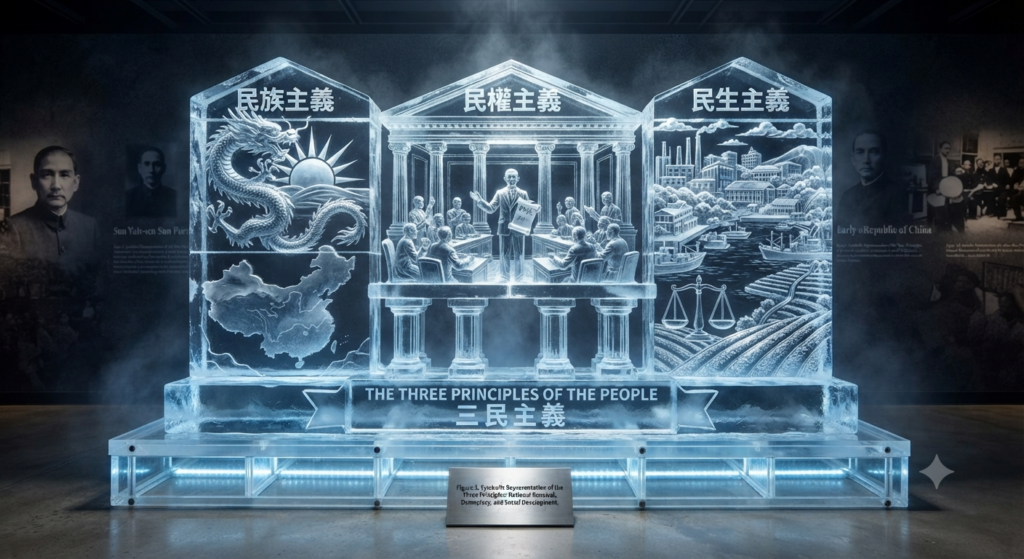
Figure 3. Symbolic Representation of the Three Principles of the People: National Renewal, Democracy, and Social Development
Challenges and Adversity
Throughout his life, Sun Yat-sen faced significant political, personal, and financial challenges. Many of his early revolutionary efforts failed, forcing him to spend years outside China seeking support and resources.
His movements often faced limited funding, internal disagreements, and strong opposition from established political forces. Despite these obstacles, Sun continued organizing, writing, and promoting his vision for China’s future.
The revolutionary journey required enormous personal sacrifice. Sun experienced separation from family, repeated uncertainty, and years of struggle without guaranteed success.
One of the most challenging moments came after the establishment of the Republic of China, when political instability continued and competing forces struggled over the direction of the new nation. Sun’s later years were marked by continued efforts to promote unity and development.
These experiences demonstrated his persistence and commitment to a long-term vision despite difficult circumstances.
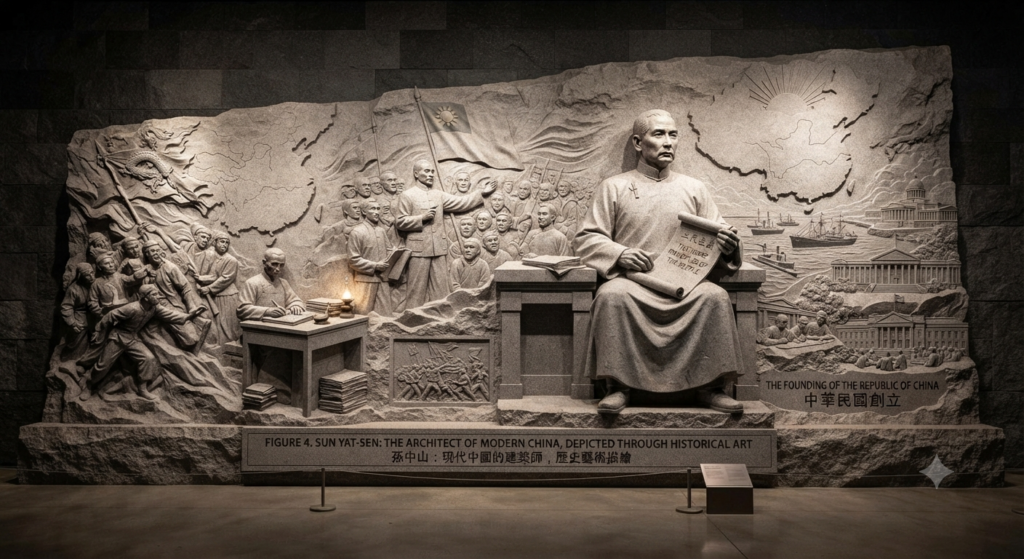
Figure 4. Sun Yat-sen: The Architect of Modern China, Depicted Through Historical Art
Legacy
Sun Yat-sen’s legacy extends beyond his role in political transformation. His life represents a commitment to serving a greater purpose through vision, sacrifice, and responsibility. Throughout decades of struggle, he demonstrated the belief that leadership should be guided not by personal ambition, but by a desire to improve the lives of future generations.
His dedication to national renewal, education, social improvement, and responsible governance reflects important principles of righteousness: placing the common good above personal interest, maintaining perseverance during hardship, and accepting personal sacrifice for a meaningful cause.
Although historical interpretations of Sun Yat-sen vary across different societies, his journey continues to provide lessons about moral courage and the responsibility of individuals who seek to create positive change. His life illustrates that righteous leadership requires not only great ideas but also humility, endurance, and a willingness to serve others.
Today, Sun Yat-sen is remembered as a figure whose vision and perseverance inspired generations to consider the relationship between leadership, society, and human responsibility.
His story raises an enduring question:
Can a person’s commitment to righteousness, guided by vision and sacrifice, create a lasting positive impact on future generations?
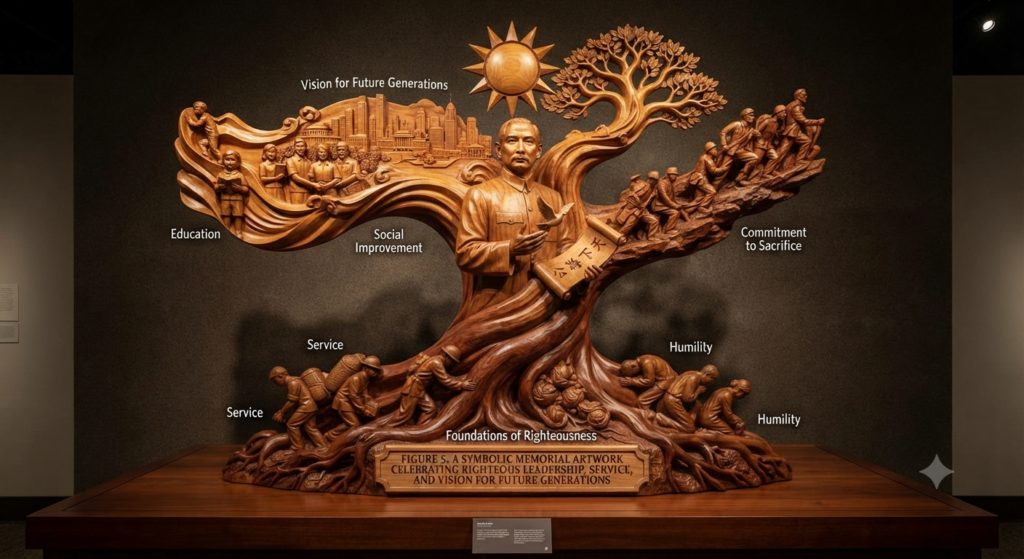
Figure 5. A Symbolic Memorial Artwork Celebrating Righteous Leadership, Service, and Vision for Future Generations
Righteousness Reflection: Lessons from Sun Yat-sen’s Life
Sun Yat-sen’s journey invites us to reflect on the meaning of righteous leadership and personal responsibility. His life demonstrates that meaningful change often begins with a vision, but lasting impact requires perseverance, sacrifice, and commitment to the well-being of others.
As you reflect on Sun Yat-sen’s story, consider the following questions:
1. Vision and Purpose
What kind of future do you hope to create, and how can your personal vision contribute to the improvement of others’ lives?
2. Responsibility and Service
When you have knowledge, skills, or opportunities, how can you use them to serve the greater good rather than only pursuing personal success?
3. Courage During Difficulty
Sun Yat-sen continued pursuing his ideals despite repeated failures and hardships. How can you develop the courage to remain committed to righteous goals when facing obstacles?
4. Leadership and Humility
True leadership is not only about gaining influence but also about accepting responsibility. How can leaders ensure that their power and decisions serve people rather than themselves?
5. Sacrifice for Future Generations
What sacrifices are you willing to make today that could create a better future for others tomorrow?
6. Moral Innovation
Sun Yat-sen introduced new ideas about society and governance. What positive change or “righteous innovation” can you create in your family, community, school, or workplace?
Personal Reflection Challenge
Choose one principle from Sun Yat-sen’s life—vision, perseverance, responsibility, service, or courage—and write one action you can take this week to practice that virtue.
“Righteousness is not only found in great historical moments; it is demonstrated through everyday choices that benefit others.”
References
Bergère, M.-C. (1998). Sun Yat-sen. Stanford University Press.
Library of Congress. (n.d.). China and Sun Yat-sen collection. Library of Congress.
National Archives Administration of the Republic of China. (n.d.). Sun Yat-sen historical documents. National Archives Administration, Republic of China.
Schiffrin, H. Z. (1968). Sun Yat-sen and the origins of the Chinese revolution. University of California Press.
Spence, J. D. (2013). The search for modern China (3rd ed.). W. W. Norton & Company.
Sun Yat-sen Museum. (n.d.). Biography and historical collections. Sun Yat-sen Museum.
The Righteousness Museum Album – Sun Yat-Sen